Supermarket Shopping in Norway: A Practical Guide
Food & Prices · 4 min read
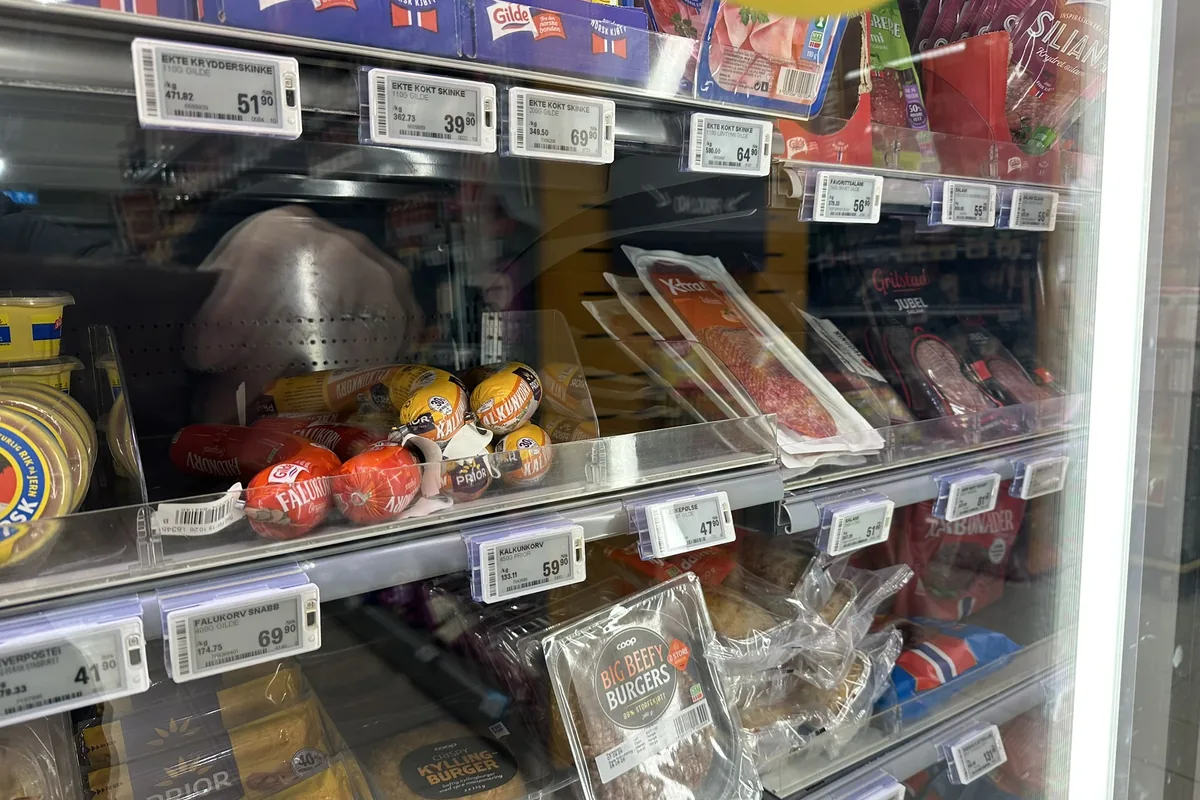
After living in Norway for more than ten years, I have learned that supermarket shopping is one of the easiest ways to keep travel costs under control. Eating every meal in a restaurant can become expensive very quickly, but buying groceries is much more manageable once you know which stores to look for and how shopping here works. In this guide, I will explain how the main supermarket chains differ, give realistic examples of Norwegian grocery prices in 2026 and share a few habits that can save a noticeable amount during your trip.
The main supermarket chains
If keeping costs down is the priority, start with REMA 1000, Kiwi or Extra. These three discount chains compete very closely, and the cheapest one can change depending on the products, promotions and location.
In 2026 price comparisons, REMA 1000 has performed strongly, but Kiwi and Extra have often been only a small amount behind. I would not treat any one of them as permanently the cheapest — I would simply compare whichever two or three are nearby.
MENY generally offers a wider selection, more specialty products and larger fresh-food sections, but it is usually not the first place I would choose if the goal is the lowest possible grocery bill.
Joker and Bunnpris can be useful in smaller communities or when nothing else is nearby, although convenience can sometimes mean higher prices.
What groceries actually cost in Norway in 2026
These are approximate examples checked against Norwegian online grocery listings in September 2026. Prices vary between chains, locations, brands and promotions, so treat them as a practical snapshot rather than a fixed price list.
- Milk, 1 liter: approximately 21–25 NOK
- Basic loaf of bread: approximately 30–50 NOK
- 12 eggs: approximately 58–80 NOK
- Spaghetti, 500 g: approximately 20–28 NOK
- Chicken breast: approximately 135–230 NOK per kg, depending on the brand and package size
- Salmon fillet: approximately 190–375 NOK per kg, depending on whether it is frozen or fresh and whether it has skin
You can spend much more on premium brands, organic products or convenience food, but these examples give a realistic idea of ordinary supermarket prices.
Opening hours and Sundays
Most full-size supermarkets are closed on Sundays and public holidays. However, smaller grocery stores with a sales area of no more than 100 square meters are among the exceptions, which is why some chains operate smaller Sunday-open locations. There are also exceptions for certain tourist areas and other specific types of stores. Options are usually easier to find in cities, but they can be limited in smaller communities. If you are staying in a cabin or traveling somewhere remote, buy what you need before Sunday and always check the opening hours of the specific store.
Alcohol works differently
Beer and similar drinks up to 4.7% alcohol can be sold in supermarkets, but alcohol sales have separate legal time limits. The maximum permitted sales time is generally until 20:00 on weekdays and 18:00 on Saturdays and days before public holidays, although municipalities can set shorter hours. Supermarket alcohol sales are not permitted on Sundays.
Wine and spirits are sold through Vinmonopolet, Norway’s state-run alcohol retailer. Store opening hours vary by location. Under the national rules, sales cannot continue later than 18:00 on ordinary weekdays or later than 16:00 on days before Sundays and public holidays. Always check the opening hours of the specific store you plan to use.
The simple travel tip: if you want wine with a Saturday evening cabin dinner, do not leave the shopping until late.
Small habits that save real money
A few simple habits can make a noticeable difference over a week:
- Drink tap water. In most places it is excellent and free.
- Make packed lunches. The Norwegian matpakke tradition exists for a reason.
- Look for supermarket own-brand products, which are often cheaper.
- Check the reduced-price section for products approaching their best-before date.
- Do your main grocery shopping at REMA 1000, Kiwi or Extra when possible.
- Use MENY when you want a wider selection rather than the lowest total.
- If your hotel breakfast is included, make the most of it rather than buying another breakfast outside.
Prices were checked in September 2026 and are included as practical planning examples. Grocery prices, promotions, opening hours and alcohol-sale times can change, so always check current local information when you travel.