Buying Second-Hand in Norway: Thrift Stores, FINN and Free Furniture
Food & Prices · 10 min read
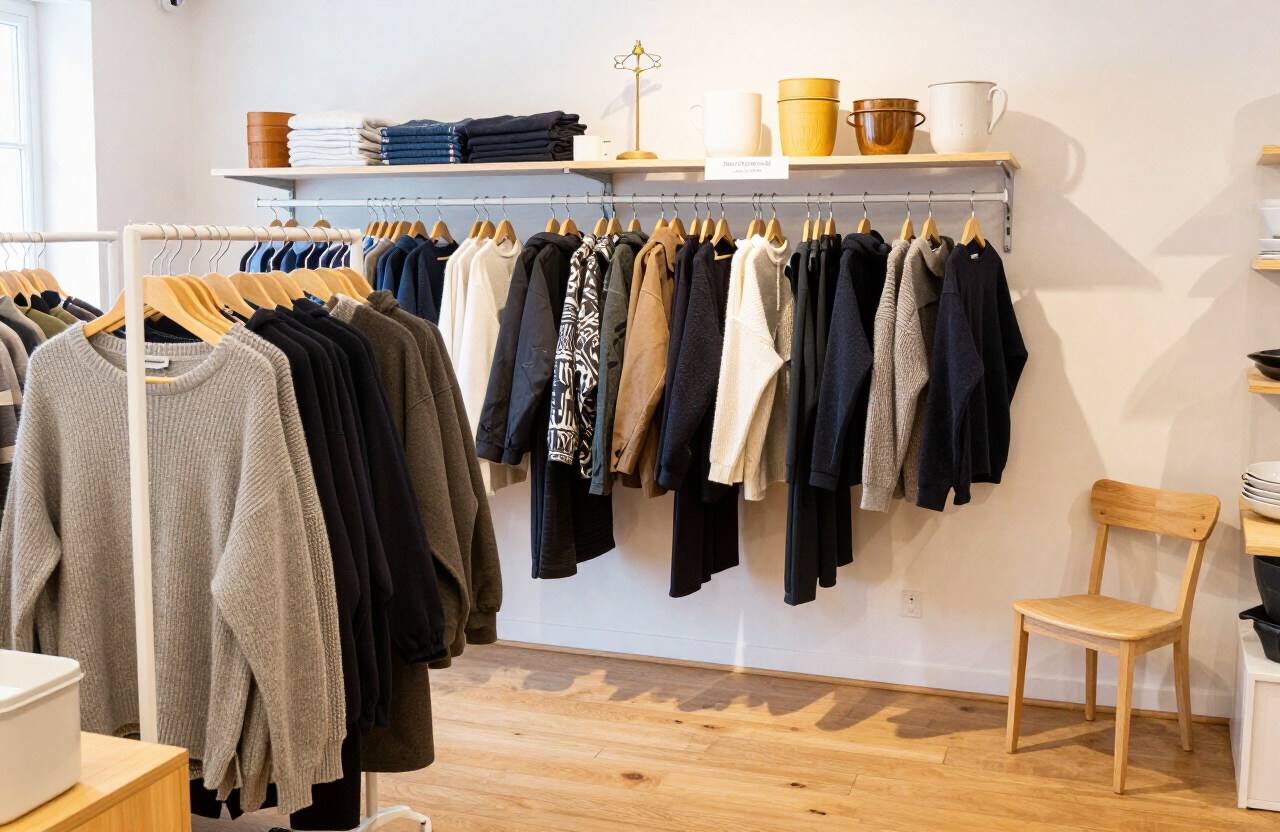
Living in Norway can be expensive, especially when you are settling into a new home and need everything at once. Clothes, a dining table, kitchen equipment and a sofa can quickly use up a budget before you have even unpacked.
After more than ten years here, one thing I would tell a newcomer is this: look at the second-hand options before buying everything new.
I have found items in excellent condition, and sometimes people give things away if you can collect them. But I have also seen how badly a used purchase can go wrong. There is a big difference between checking a second-hand jacket and knowing whether a car engine is in good condition.
This guide is about where to look, what can be worth buying and how to keep an apparent bargain from becoming an expensive mistake.
Where to buy second-hand clothes in Norway
Second-hand shops are a useful starting point because you can inspect clothes, feel the fabric and try things on where fitting rooms are available.
Fretex is one option to check. Its website has a store finder, and its shops sell used clothing and other items. Another is NMS Gjenbruk, which lists its shops and opening hours online. Selection varies by branch, so check locally rather than expecting every shop to stock the same things.
Also search for independent shops using the Norwegian words bruktbutikk or gjenbruksbutikk, followed by your town’s name.
For everyday clothes, children’s clothing and extra layers, buying used can make sense. Children may outgrow clothes before wearing them out, and you do not always need a new outfit for something you will use only occasionally.
Check seams, zips, stains and signs of wear. For winter clothing, consider what you need it to do: an attractive coat is not necessarily warm enough for your daily routine, and an old waterproof jacket may no longer keep out the rain.
Compare prices with new items too. Used does not automatically mean cheaper, especially with vintage clothing or popular brands.
Bundles of children’s clothes for school and kindergarten
One useful option for families is buying a bundle of children’s clothes rather than individual pieces.
I often see bags of outgrown clothing advertised, including cold-weather clothes for school or kindergarten. Children grow quickly, so some pieces may have plenty of use left when they no longer fit.
Search for klespakke or klespakke barn, together with the size you need. Ask what is included: a bag of clothes is not necessarily a complete winter wardrobe.
Check each item’s size and condition, especially the knees and seat of outdoor trousers, zips, boot soles and any damaged waterproof fabric.
A good bundle can give a child several useful pieces, but only if they fit and suit the weather where you live. Buying a whole bag is not a saving if most of it cannot be used.
FINN.no: much more than second-hand furniture
The Norwegian marketplace is FINN.no, rather than FINN.com. Its Torget section is a place to look for furniture, clothes, household items, tools and many other categories. Both private individuals and businesses advertise there.
If you are furnishing a home, try searching for dining tables, chairs, shelving, wardrobes and kitchen equipment before buying new. Solid furniture with a few cosmetic marks may still have years of use left.
Useful Norwegian search words include:
- Brukt — used.
- Gis bort — given away for free.
- Møbler — furniture.
- Klær — clothes.
- Klespakke barn — a bundle of children’s clothes.
- Må hentes — must be collected.
- Kjøp og salg — buying and selling.
- Loppemarked — flea market.
Start with nearby listings. A cheap sofa several hours away may stop being cheap once you add fuel, tolls, ferries or van hire.
Measure the furniture, the available space and the doorways before agreeing to collect it. Ask about damage, missing parts and whether it can be taken apart.
Local Facebook groups and free items
Local Facebook buying-and-selling groups are another place I would check. Search for your town or municipality together with kjøp og salg, brukt or gis bort. Many communities have these groups, although availability and activity vary.
You may find clothes, furniture, household equipment and items that need a little repair or repainting. For someone setting up a home gradually, that can be useful.
Sometimes the price is simply free collection. A person moving house may need a table gone quickly and prefer giving it away to arranging a sale.
Read the collection conditions carefully. “Free” does not necessarily mean reserved for you, and groups and sellers handle priority differently. Agree on a time before travelling, and arrange help if the item is heavy.
For furniture that needs work, count the cost of paint, tools, replacement parts and transport. You can furnish and refresh parts of a home this way, but second-hand furniture is different from structural renovation work.
Why good items end up on the used market
From what I have seen, some people replace furniture or clothes because their tastes change, even when the old items still have plenty of life left.
People also move, downsize, clear storage rooms or discover that something they bought does not suit their home. Children’s clothes become too small. A perfectly usable table no longer fits the new kitchen.
That creates opportunities for someone who needs the item rather than the newest style. Still, appearance alone tells you very little about how well electronics or vehicles work.
One of my own FINN purchases: hatching eggs
One of my more unusual purchases through FINN was a batch of eggs for our incubator.
I paid in advance, the eggs arrived in perfect condition, and almost all of them hatched. It was a good experience and a reminder of how varied the marketplace can be.
But that is one personal experience, not proof that paying an unfamiliar seller in advance is safe. A successful purchase from one seller does not tell you what will happen with another.
The purchase that went badly wrong in our family
A member of our family had a very different experience. He paid NOK 70,000 for a used car bought through FINN from a private seller.
The car turned out to have serious engine damage. As he understood the situation, the engine could not be repaired. The seller did not return the money, and he has had to pursue the dispute through legal channels.
I am sharing our family’s experience, not a court finding about the seller. But it explains why I would never put a used car in the same category as a second-hand chair.
A low purchase price means very little if you are left with a car you cannot use and a dispute that takes time and money to resolve.
Be more careful with used cars and electronics
Private sales can go well, but dishonest sellers exist, and hidden defects can be expensive.
For a used car, the Norwegian Consumer Council recommends seeing and test-driving it, obtaining a condition report and using a written contract. Its used-car buying checklist is a useful starting point. An independent inspection matters more than reassuring messages from a seller.
For electronics, ask to test the item. Check charging, screens, buttons, connections and whether a phone or computer is still locked to someone else’s account. Ask for proof of purchase where available and a written description of known faults.
A business selling used goods may offer documented testing, a warranty or clearer arrangements for dealing with problems. Check what it actually promises; a professional listing is not a guarantee that an item has no defects.
Your rights also depend on whether the seller is a private individual or a business. Private purchases do not generally come with a statutory cooling-off right just because they were arranged online. The Norwegian Consumer Council’s guidance on private second-hand purchases explains this distinction.
Before paying for a second-hand item
A few habits can make these purchases easier:
- Read the description and ask specific questions about condition.
- Save the advert, messages and payment record.
- Inspect and test the item where possible before paying.
- Check the seller and the current terms of any platform payment service.
- Avoid payment or delivery links you cannot verify.
- Include collection, delivery and repairs in the total cost.
- Walk away if you feel rushed or the answers do not make sense.
Paying at collection after inspection can reduce some risks, although it cannot reveal every hidden problem.
Start with the things you can judge for yourself
If I were setting up a home in Norway again, I would look for used clothes, sturdy furniture and simple household items first. These are often easier to inspect than a car engine or the inside of a laptop.
Then I would take more time with expensive or complicated purchases, compare private listings with business offers and ask for help where I could not assess the condition myself.
Buying second-hand can be a practical way to make life here more affordable. The best bargain is something you need, can use and will not have to replace straight away.
Store availability, opening hours, platform terms and consumer rules can change. Always check current information with the relevant shop, platform or official source before buying. Last reviewed: October 2026.