Insurance in Norway: Car, Home and Travel Cover for Everyday Life
Food & Prices · 9 min read
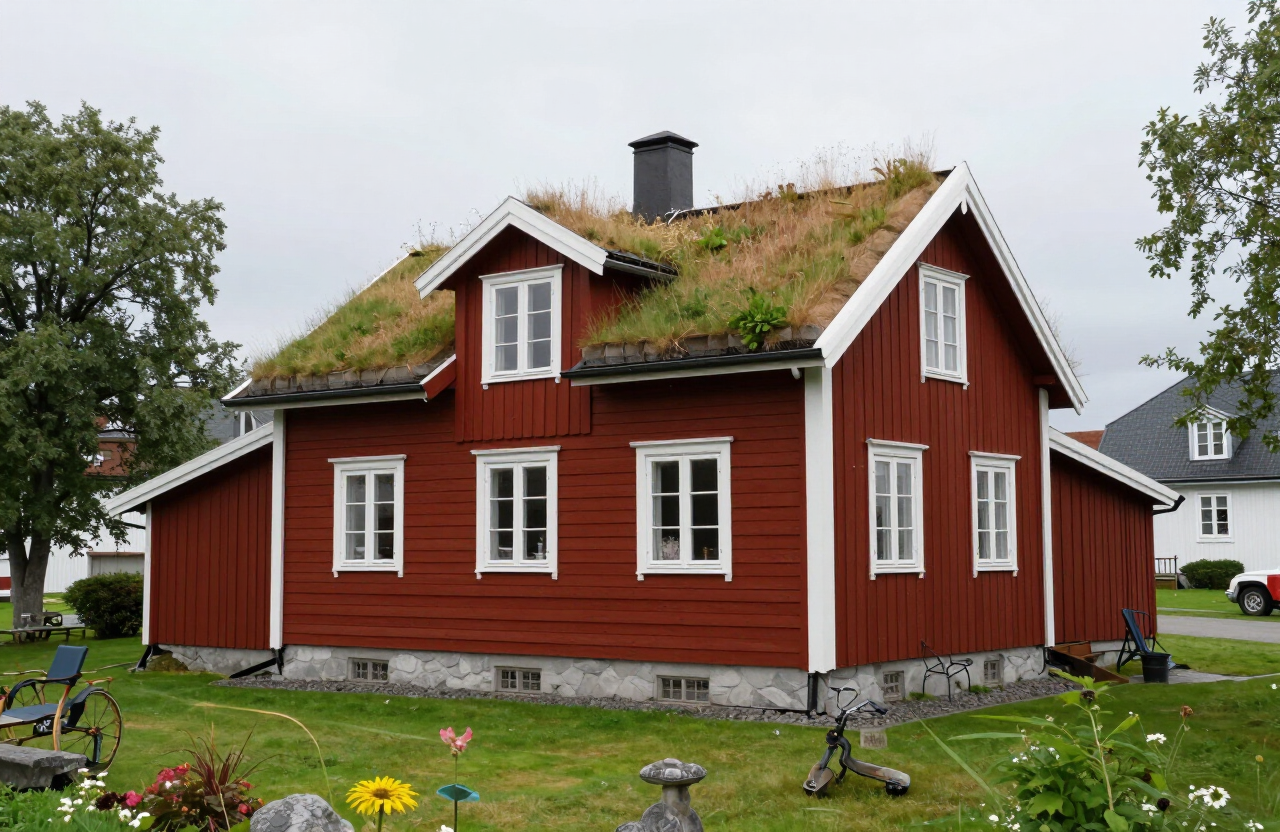
Life in Norway is expensive. We know that before anything goes wrong: housing, groceries, transport and the ordinary costs of running a household already take a considerable part of the budget.
But an ordinary month can become a very different month if your car slides off an icy road, a pipe leaks inside your home or something unexpected happens while you are travelling.
In our household, insurance is one of the expenses we prioritise. It is reassuring to have policies in place when unexpected things happen, even though we still need to check what they cover.
After living here for more than ten years, I have come to see insurance as part of planning the household budget. The monthly premium matters, but so does the size of the bill you might face without suitable cover.
This guide is for people living in Norway or moving here who want to understand insurance for their car, home, belongings and everyday travel.
There is no single insurance policy that covers everything
When people talk about being “fully insured”, it can sound as though one agreement protects every part of life. In practice, car, home, belongings and travel usually involve different policies.
Even a package from one company has separate conditions, limits and exclusions.
For someone moving to Norway, these are useful Norwegian terms to recognise:
- Forsikring: insurance.
- Ansvarsforsikring: motor liability insurance.
- Delkasko: partial comprehensive car insurance.
- Kasko: comprehensive car insurance.
- Husforsikring: insurance for the house or building.
- Innboforsikring: insurance for household belongings.
- Reiseforsikring: travel insurance.
- Egenandel: the deductible or excess you pay towards a covered claim.
- Vilkår: the policy terms and conditions.
Understanding these differences is more useful than simply choosing a product with “complete” or “premium” in its name.
Car insurance: icy roads make the difference in cover important
Imagine driving home from work on a winter evening. The road is slippery, the car loses grip and you end up off the road.
Having car insurance does not automatically mean the damage to your own car will be paid for.
Trafikkforsikringsforeningen explains that registered motor vehicles must have liability insurance. This covers liability for injuries and damage to other people’s property, rather than repairs to your own car.
Partial comprehensive insurance — delkasko — commonly adds protection for things such as theft, fire and glass damage. It generally does not cover collision damage or damage from driving off the road.
Comprehensive insurance — kasko — normally includes accidental damage to your own vehicle, subject to the policy conditions.
The Norwegian Consumer Council’s explanation of car insurance is a useful starting point.
Before buying, check the deductible, annual mileage, driver requirements and whether roadside assistance or a replacement car is included. Choose based on the financial consequences you could manage, not just the monthly premium.
Insurance does not replace suitable tyres, careful driving or checking road conditions.
If you are moving here for work, our guide to working in Norway can help you plan the wider move.
Home insurance: the building and your belongings are different
A home can represent years of savings and a long-term financial commitment. Fire or water damage can disrupt far more than the building itself.
But insuring the house is not the same as insuring everything inside it.
Building insurance generally covers the structure and permanently installed parts of the property against specified risks.
Contents insurance generally covers possessions such as furniture, clothing and other household belongings against specified risks.
SpareBank 1 explains the distinction between husforsikring and innboforsikring.
If you rent, do not assume your landlord’s building insurance protects your clothes, furniture or computer.
If you own an apartment, the building may be insured through the housing association or co-ownership arrangement. Confirm what that shared policy covers and what you need separately.
A fire can leave someone needing both somewhere to stay and replacement belongings. Some policies include temporary accommodation after a covered incident, but the conditions and limits need checking.
A leaking roof is not automatically an insured repair
This is an important detail, especially in a country with many wooden homes.
A leak may damage ceilings, insulation, walls or floors. However, the cause of the leak and the policy wording determine what the insurer will cover.
Insurance is not a substitute for replacing a worn-out roof or maintaining the property. Gradual deterioration and maintenance costs can be excluded.
There may also be a distinction between repairing the source of the leak and paying for the damage it caused inside the house.
For example, Gjensidige’s house insurance information describes how certain cover levels treat damage following leaks through roofs or walls. Those terms should not be assumed to apply to every insurer or policy.
Ask practical questions before you need to claim: what kinds of water damage are included, what maintenance is expected and what precautions are required to prevent frozen pipes?
Travel insurance: check it before you book
We book a trip hoping that everything will go well. Usually, the planning is about flights, accommodation and what we want to do when we arrive.
But illness, an accident or a disruption can change those plans.
Travel insurance may include medical expenses abroad, assistance, lost belongings and cancellation for specified reasons. The scope differs between policies.
Cancellation cover is particularly easy to misunderstand. It does not normally mean you can cancel for any reason and receive all your money back.
Check when the policy must be in place, who it covers, the maximum length of each trip and any restrictions relating to health conditions or planned activities.
If you rely on insurance linked to a credit card, check the payment requirements and other conditions rather than assuming every trip qualifies.
The Norwegian Consumer Council’s travel guidance recommends checking existing cancellation protection when booking. An insurer’s own full policy wording should then explain exactly what your agreement provides.
The cheapest premium is only part of the cost
Comparing prices is sensible. Paying more does not automatically mean receiving better protection, either.
The important question is whether two quotes actually cover the same things.
Before choosing, compare:
- The risks included and excluded.
- The deductible for different claims.
- Maximum payouts and any limits for individual items.
- Deductions for age or wear.
- Which household members are insured.
- Requirements relating to security, maintenance or use.
- The help available when something happens.
For example, a higher deductible may reduce the premium, but it also means paying more yourself when making a covered claim.
A discount for combining policies can be useful, but compare the total price and the individual cover. A package is only helpful if its parts suit your circumstances.
Avoid paying twice for the same protection
Trying to save money should also include checking what you already have.
You might have some insurance through a union membership, an employer or a payment card. The exact benefits and eligibility conditions vary.
Check whether that existing protection covers you, your household and the situations you care about before buying something similar separately.
Also review policies when you move, change cars, start renting out a property or take a longer trip. Tell the insurer about relevant changes rather than assuming the old agreement still fits.
For newcomers, Finans Norge’s “New in Norway” information is a useful introduction to insurance terminology and everyday arrangements.
For other ways to reduce everyday expenses, see our guide to buying second-hand in Norway.
Why insurance stays in our household budget
There are plenty of expenses I would rather reduce than insurance that protects us against a loss we could not comfortably handle.
That does not mean buying every extra product offered at a checkout. It means understanding what we own, what could go wrong and which costs we could realistically pay ourselves.
A damaged household item and a seriously damaged home are very different financial problems. So are a small car repair and losing the vehicle you depend on for work.
For me, the value of insurance is knowing that we have planned for more than the ordinary monthly bills.
The right cover cannot prevent an accident, fire or illness. But when an incident is covered, it can make the financial consequences much more manageable. Always check the current terms of your own policy, because having insurance and having cover for a particular event are two different things.
Insurance terms, coverage, deductibles and policy conditions vary between insurers and change over time. Always check the current terms of your own policy and verify information with the relevant insurer or official source before making decisions. Last reviewed: October 2026.