Oppdal in Winter: Skiing, Snow and Travel Tips
Winter in Norway · 10 min read
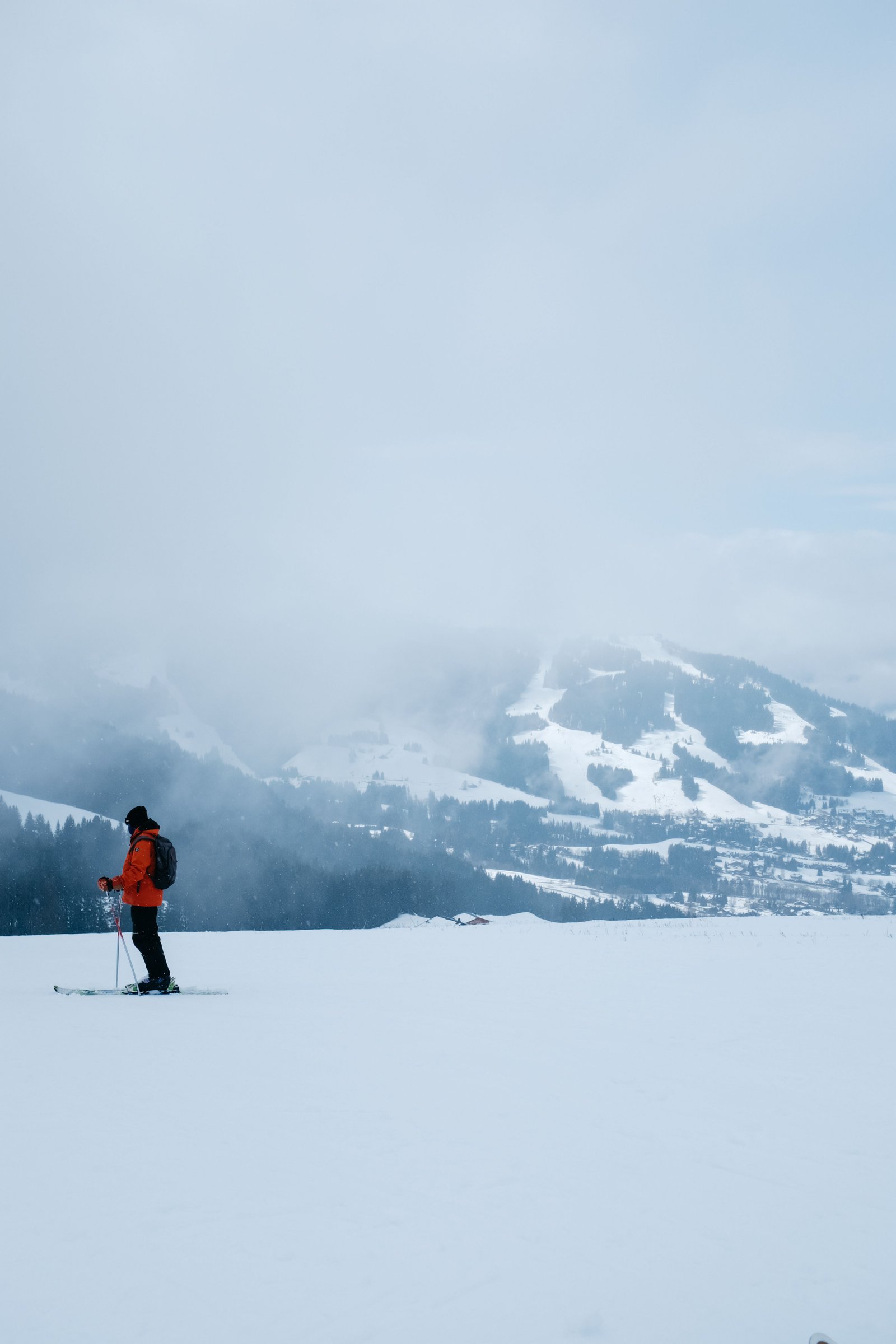
Oppdal is a working mountain town in Trøndelag that also happens to be one of Norway’s major winter-sports areas. The ski slopes sit alongside everyday town life, and visitors find proper facilities — ski rental, food, accommodation and transport — without a purpose-built resort feel.
Oppdal in winter combines downhill and cross-country skiing with the practical facilities of a working mountain town. This guide covers the downhill and cross-country skiing, the weather, clothing, transport and the details worth checking before you book.
Why Oppdal works so well for a winter trip
Oppdal sits in a mountain valley in Trøndelag, south of Trondheim, with peaks on either side and a real town at the bottom. You are staying in a working Norwegian mountain town that also happens to be one of the major winter-sports areas in the country.
For many locals, skiing is simply part of winter life, and children often grow up with it as a familiar activity. The local cafés and shops carry on through the snow, so a visit can feel less like a packaged holiday and more like a short stay in ordinary Norwegian winter life.
Oppdal attracts both Norwegian and international visitors. It is busy enough to have proper facilities — ski rental, food, accommodation, transport — and the tone is practical and outdoorsy, which suits a lot of travelers.
Alpine skiing in Oppdal
Oppdal Ski Centre is the main alpine destination here, and it is genuinely substantial. Rather than a single slope, it is spread across four mountain areas — Vangslia, Stølen, Hovden and Ådalen — which gives it a much wider range of terrain than a compact resort would have. There is skiing for different levels, from gentle beginner runs to steeper and more demanding slopes.
How those areas connect depends on which lifts and runs are open on the day. Openings depend on snow, wind and visibility, and that can change during the season and even during a single day. Always check the current opening status, snow conditions and lift information before you travel, and again shortly before you head up the mountain.
See the operator’s current Norwegian trail map and English Oppdal overview for the current trail map and operating status.
Vangslia and the different ski areas
Because the resort is spread out, it helps to think of it as several connected areas rather than one single slope. Each area has its own character, and the differences matter when you are choosing where to start your day.
Vangslia is one of the best-known areas. It has beginner and family terrain as well as more challenging runs, which makes it a useful base for a family or a group of mixed abilities.
Stølen also has a beginner area. Hovden is close to the town center and includes demanding terrain. Ådalen is accessed through the other ski areas rather than directly from the town.
The connections between areas are not all comfortable for beginners, and they depend on open lifts and runs. Check the current trail map and operating status for the area you plan to ski before committing to a route between areas.
Cross-country skiing
Oppdal is not only an alpine destination. It is also very good for cross-country skiing, and for a lot of Norwegian visitors that is the main reason to come. The trails wind through the mountain landscape and forests around the town.
Visit Oppdal currently advertises more than 200 km of groomed cross-country trails. That figure describes the network as a whole, not the distance guaranteed to be groomed or available on a particular day. Before heading out, check recent grooming information, current trail conditions and the difficulty of the route you plan to ski.
There are options for both beginners and experienced skiers. Some trails are gentler and shorter, while others are longer and more demanding. If you are new to cross-country skiing, choose a short, suitable trail and consider taking instruction — it is not automatically easy for everyone, and a little guidance makes the first day much more enjoyable.
You do not have to be an expert skier
You do not have to be an expert to enjoy Oppdal in winter. A lot of the messaging around skiing in Norway assumes everyone already knows how, and that puts people off who would actually have a fine time.
The resort advertises ski rental and a ski school, which means a first-timer can rent the equipment they need and learn on suitable ground rather than being thrown onto a steep slope. Before you rely on that, confirm the dates, lesson language, ages accepted, equipment sizes and booking availability with the operator for your specific visit.
What winter weather really feels like
It is worth being honest about the weather, because it is the part of an Oppdal winter trip that surprises international visitors most. Oppdal is a mountain destination, and mountain winter weather is not a gentle, postcard version of winter.
Cold temperatures are normal, and some days can be genuinely cold rather than just brisk. Wind is a real factor, both on the slopes and on exposed trails, and wind chill can make a manageable temperature feel much colder. Snow can fall heavily, and icy surfaces show up too — on roads, sidewalks, parking lots and lift lines.
Daylight hours are short in midwinter. The sun stays low and the usable part of the day can feel quite compressed, which affects how much you can comfortably fit in. Mountain weather changes quickly: a clear morning can turn into a whiteout by lunchtime, and a calm valley can hide strong winds higher up. Conditions can vary greatly during winter, and even during a single day.
What to wear for a ski day
Clothing, conditions and suitable terrain all matter for how much you enjoy a ski day. The Norwegian approach is layers, and it works because you can add or remove a layer as conditions change through the day.
Downhill skiing and cross-country skiing place different demands on clothing. Downhill skiing includes colder periods on lifts, so you want more insulation and windproofing. Cross-country skiing generates more body heat, so breathable layers you can vent matter more. A few practical principles cover both:
- Wool or suitable synthetic base layers. Wool stays warm when damp and resists odor, and good synthetics can also perform well — choose what works for you.
- Adjustable insulation, such as a fleece or a light insulated jacket, that you can take off if the sun comes out.
- Windproof outer layers with weather protection appropriate to the activity — more waterproofing for downhill skiing, more breathability for cross-country.
- Proper gloves, not thin fashion gloves; cold hands end a ski day faster than cold anything else.
- Warm socks, ideally wool, and ski boots that fit rather than being crammed with extra socks.
- A neck warmer, which protects against wind and cold far better than a loose scarf.
- A helmet, which is simply the normal, sensible choice on alpine slopes.
- Goggles or suitable eye protection for downhill skiing, especially in wind and snow.
- Suitable winter footwear for walking around town and parking lots, where icy surfaces are common.
This is not a shopping list. You do not need the most expensive version of any of these. You need them to be warm, windproof and waterproof enough for a real mountain day. Borrow, rent or buy according to your own situation — just do not arrive in Oppdal in a city winter coat and thin shoes.
Getting to Oppdal
Oppdal is a stop on the Dovre Line, the railway between Oslo and Trondheim, which puts it within reach of both cities for travelers arriving from outside Norway. Visitors can arrive by train or by road, and both are realistic options.
For timetables, connections and service changes on your dates, check Entur or SJ NORD on the Dovre Line. The train is the simpler option for many international visitors because it removes winter driving from the equation and drops you in the town rather than into a rental car on an unfamiliar winter road.
If you drive, winter driving in Norway requires preparation. Roads can be snowy, icy and occasionally closed by weather, and conditions in the mountains change faster than they do on the coast. The driver is responsible for ensuring sufficient grip and equipment suitable for the actual conditions. Confirm winter tires with your rental company, carry warm clothing, food and water in case you are delayed, and always check road and weather conditions before traveling and again on the day.
Getting around without a car
You do not necessarily need a car once you are in Oppdal. A free ski bus to Oppdal Ski Centre runs during the winter season, which makes a car-free trip much more workable — especially for visitors arriving by train.
The ski bus serves designated stops rather than every hotel or cabin, so check the walking distance from your accommodation to the nearest stop, the operating dates, the timetable and the last return service before you rely on it. Bus services, routes and operating dates can change between seasons.
See the Alpinco Oppdal ski-bus page for current stops, dates and timetables.
Where to stay
Where you stay in Oppdal shapes the trip more than people expect, because it affects how easily you get to the slopes and what the days feel like. There are a few broad options, each with a different balance of convenience, transport and atmosphere.
Some accommodation close to the ski slopes can put you within walking distance of the lifts, which is hard to beat on a cold morning. Access depends on the specific property and ski area, though — Hovden, for example, is near the town center, so being “near the slopes” does not always mean far from town. Compare actual access to lifts, suitable beginner terrain, bus stops and town services rather than assuming “near the slopes” means easy walking or ski-in/ski-out access.
Staying in central Oppdal puts you among the shops, restaurants and everyday life of the town, and usually closer to the train station. The trade-off is a short journey to the slopes each day, which is where the ski bus comes in.
Cabins give a quieter, more self-sufficient stay and a real sense of Norwegian mountain life, especially if you want to cook for yourself and slow down in the evenings. Hotels offer more services and less to think about, which suits visitors who want simplicity after a day in the cold.
For current availability and facilities, check the official Visit Oppdal listings and choose based on what actually matters to your group and travel style.
Oppdal for people who do not ski
A winter stay in Oppdal can still be enjoyable without downhill skiing. Not everyone in a travel group skis, and you do not have to sit in a lodge all day if you do not.
Winter walks along maintained pedestrian routes are genuinely pleasant when you are dressed for it. Ask locally about current conditions before heading out, and treat unspecified snowy tracks as something to check rather than an obvious walking route. The cafés are a real part of the experience — warm, unhurried places to sit with a coffee while the snow comes down outside. The snow scenery itself is part of the point, and for many visitors simply being in a quiet Norwegian mountain town in winter is the trip.
Beginner cross-country skiing is also an option for non-alpine skiers, and it is often more approachable than people expect. There is also the quieter pleasure of experiencing everyday life in a Norwegian mountain town — the routines, the pace, the way a community carries on through winter. Oppdal in winter is rewarding on its own terms, with or without a downhill ski pass.
Ski touring and the mountains
Oppdal is also known among experienced skiers for ski touring and backcountry terrain. The mountains around the town offer real off-piste possibilities beyond the maintained resort runs.
Off-piste and backcountry terrain should not be assumed to have the same safety management as open, marked resort runs. Leaving a maintained run does not automatically mean entering avalanche terrain, but assessing the route requires knowledge of the slopes and any avalanche paths above it. Travel in avalanche terrain requires appropriate training, route assessment and rescue equipment — a transceiver, probe and shovel — plus practice using them. Equipment and a favorable forecast do not guarantee safety.
If you are inexperienced, go with an appropriately qualified guide who has local knowledge. Simply going with another inexperienced person does not make a backcountry trip safe.
Read Varsom’s ski-touring guidance before planning any off-piste trip.
Avalanche forecasts are regional and must be combined with local observations and terrain assessment on the day. The absence of a warning is not proof that a slope is safe.
When to go
Winter in Oppdal is not one uniform experience. Different periods through the season feel quite different, and the right time depends on what you want from the trip.
Early winter can be atmospheric but uncertain. Snow is building up, daylight is short, and some lifts and trails may not yet be in full operation. It suits people who want quiet and are comfortable with conditions being a bit unpredictable.
The Christmas and New Year holiday period can be busy, so book accommodation and lessons ahead. Plan around the short days.
Midwinter is the deepest part of the season — cold, snowy and dark, with shorter days. It is the classic period for a ski vacation in Norway, but it demands proper clothing and realistic expectations about daylight.
Spring skiing brings longer days, more sunlight and usually warmer temperatures, which a lot of visitors find more comfortable. The snow can still be excellent, and the mood lifts as the light returns. Check the current information for your dates before booking rather than relying on a forecast months ahead.
Before booking
If I were planning a winter trip to Oppdal, these are the things I would verify before committing to dates and accommodation:
- Transport to Oppdal — train options on the Dovre Line or your driving route and expected road conditions.
- Accommodation location, and how it fits with the way you plan to get around.
- Ski-school and lesson availability if someone in your group needs instruction.
- Ski rental availability, especially if you are not bringing your own equipment.
- Cancellation and booking terms, in case conditions or plans change.
- Expected seasonal operations for the part of winter you plan to visit.
Allow time for this planning and for making bookings, especially for holiday periods. A little work beforehand is worth a lot of comfort once you arrive.
Shortly before departure and each ski day
Once the trip is booked, check these closer to the time and again each ski day:
- Weather and snow conditions for your dates.
- Trail grooming reports if you plan to cross-country ski.
- Lift and slope status, so you know what is realistically likely to be open.
- Road conditions if you are driving, including mountain passes on your route.
- Ski-bus updates — stops, timetable and the last return service.
- Avalanche information if you are considering any off-piste or backcountry terrain.
- Daylight hours, so you can plan your days around the available light rather than being caught out.
Conditions change quickly in the mountains, so a quick check each morning is part of skiing here well.
Final thought
Oppdal in winter combines two things that are usually separate: a real Norwegian mountain community and one of the major winter-sports areas in Norway. You get the facilities and scale of a proper ski destination inside a town that has a life of its own beyond the slopes.
Allow time for the planning and bookings above, check the current conditions before you travel, dress properly and plan your days around the daylight. Do that, and Oppdal in winter is the kind of place that leaves you thinking about coming back.
Winter conditions, lift operations, transport services and opening times can change quickly. Always check current information with the relevant official sources before traveling. Last reviewed: September 2026.