Best Time to See Northern Lights in Norway: When to Go
Winter in Norway · 22 min read
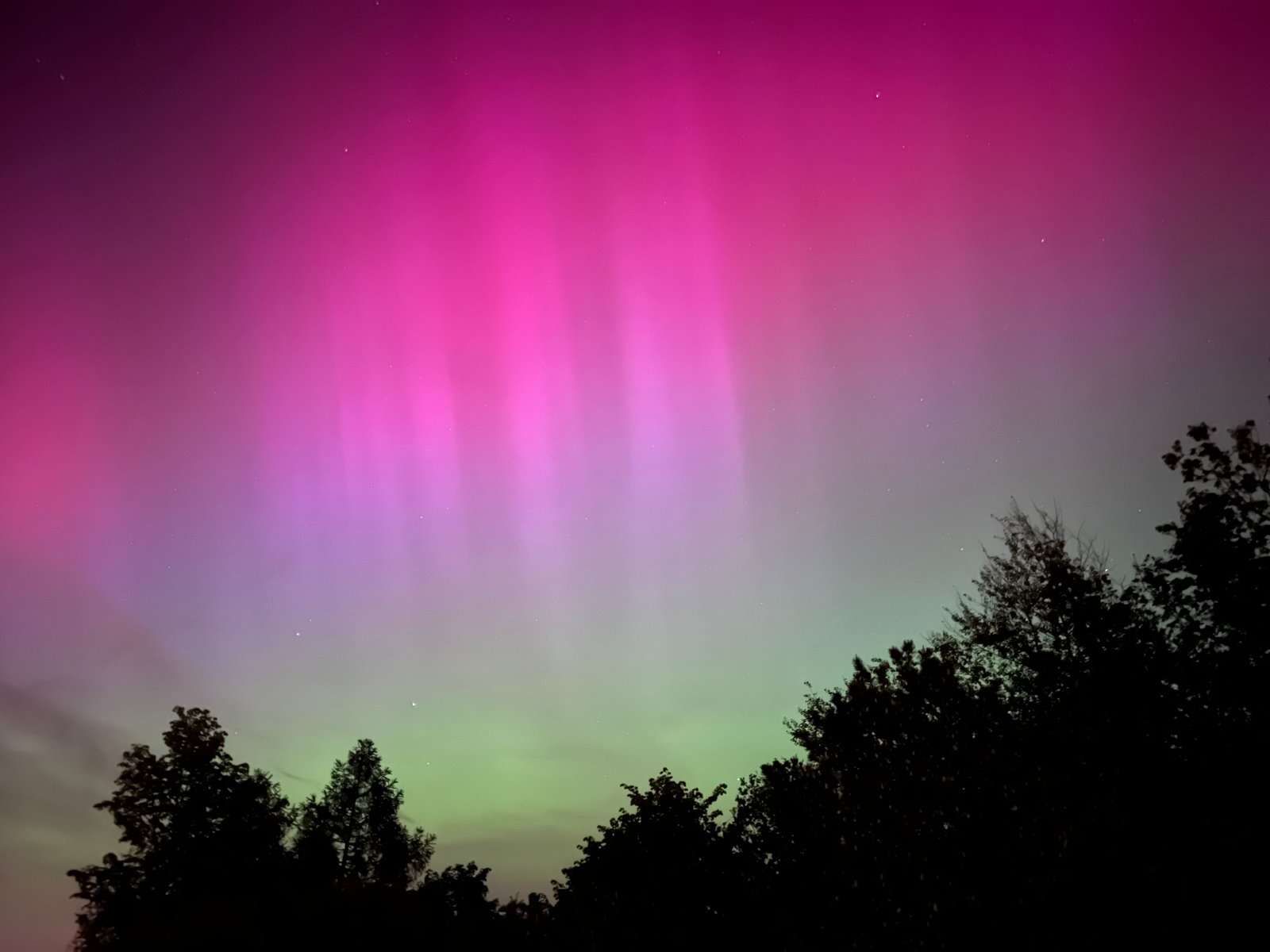
The best time to see the northern lights in Norway is generally from September to late March, when nights are dark enough, especially in northern destinations such as Tromsø, Alta, Senja and Lofoten. Depending on the destination, viewing may also be possible in late August or early April. September–October suits travelers who want autumn scenery, while February–March offers a useful balance of daytime activities and dark nights. You still need clear skies and auroral activity, so allow several nights rather than relying on one evening.
Best time to see the Northern Lights in Norway
Aurora viewing needs sufficiently dark skies. In much of northern Norway, the practical aurora season usually runs from around late August or September into early April, depending on latitude and local conditions. Aurora activity itself happens year-round, but the bright skies of the northern summer prevent normal viewing, which is why the practical season follows the dark months rather than the calendar.
Within that season, conditions shift gradually rather than switching on a single date. The table below distinguishes aurora activity (which happens year-round) from visibility (which depends on darkness and weather):
September–October
Darkness and daylight
Dark nights return; daylight hours still relatively long early in the period.
Who it suits
Travelers who want autumn scenery before deep winter.
Main limitation
A snowy landscape and snow-based activities should not be assumed.
November–January
Darkness and daylight
Long nights and limited daylight; polar-night dates vary by destination.
Who it suits
Visitors who want maximum hours of darkness and a full winter feel.
Main limitation
Weather, snow and polar-night dates vary by destination; daylight for activities is very short.
February–March
Darkness and daylight
Nights remain dark enough for aurora while daylight increases for daytime activities.
Who it suits
Travelers who want a balance of dark nights and daylight for daytime activities.
Main limitation
Snow, weather and activity availability still depend on the destination and exact dates.
Early April
Darkness and daylight
Viewing may still be possible in some destinations, but the darkness window is shrinking.
Who it suits
Travelers already in northern Norway late in the season.
Main limitation
Confirm local dates and tour operations; viewing soon becomes impossible as nights brighten.
Geomagnetic activity tends to be enhanced around the spring and fall equinoxes, but darkness, clouds and conditions on the actual night still determine whether you can see it. No single month is universally best. The aurora season is also longer than the reliable season for snow-based activities: you can see a strong aurora over a snow-free autumn landscape just as well as over a white one.
September or March: which should you choose?
September–October and February–March are the two periods many travelers weigh against each other, and the practical choice comes down to what kind of trip you want rather than which month has better aurora.
September and October offer autumn scenery and generally milder temperatures than midwinter, but the landscape is often snow-free and snow-based activities cannot be assumed. February and March offer a more reliable winter environment and more daylight for daytime activities, while nights are still dark enough for aurora viewing.
Snow, weather and the activities available depend on your destination and exact dates, so check local conditions rather than assuming either period looks the same everywhere. It is also worth knowing that geomagnetic activity is often enhanced around the equinoxes, but that does not overcome cloud cover — within the dark season, cloud cover on the actual night can matter more than choosing one month over another, and an active aurora hidden behind clouds gives you nothing.
What time of night can you see the northern lights in Norway?
There is no universal hour when the northern lights in Norway start. Aurora can appear at different times through the night, and on a good night it may come and go in waves rather than appearing once at a predictable time.
Late evening through the hours around midnight is often a useful viewing window. NOAA gives roughly 10 p.m. to 2 a.m. local time as general guidance, but aurora can appear earlier or later whenever the sky is dark enough. This is a planning guide, not a schedule.
Patience still matters. Some nights nothing happens and you go to bed; some nights the show arrives late. Treat it as an evening of watching the sky, not as a timed appointment.
Can you see the Northern Lights at Christmas, Easter or in summer?
At Christmas: Yes, Christmas falls within the northern lights season. Northern Norway has long hours of darkness, giving you time to watch the sky. You still need sufficiently clear skies and auroral activity, so plan several nights rather than counting on Christmas Eve or any other single night.
At Easter: It depends on when Easter falls and where you are going. In March or early April, parts of northern Norway can still have dark enough evenings for aurora viewing. As spring progresses, the viewing window gets shorter. Check the dates and local conditions for your destination before booking an Easter trip mainly to see the lights.
In summer: Summer is the wrong season for an aurora-focused trip to northern Norway. The sky stays too bright for normal viewing, especially in June and July. If you are visiting then, enjoy the long daylight and plan a separate trip during the dark season if seeing the northern lights is a priority.
Where in Norway can you see the Northern Lights?
Northern Norway is especially popular for aurora travel, and the reason is straightforward: latitude and long, dark winter nights. Much of northern Norway lies beneath or close to the auroral oval, which is one reason destinations such as Tromsø, Alta and other northern areas have so many opportunities for aurora viewing during the dark season. The long winter nights also give you more hours of darkness to work with each night.
Places that come up again and again for Northern Lights trips to Norway include Tromsø, Alta, Senja, Lofoten, Narvik, Kirkenes and the North Cape area. The comparison below and the following sections explore several of these destinations and their different travel styles.
Aurora can occasionally be visible farther south when solar activity is strong, but that is the exception, not the rule. If seeing the Northern Lights is your main goal, northern Norway gives you a far more reliable starting point.
Best places for different types of travelers
This is an editorial comparison of travel styles, not a ranking of aurora probabilities. Any northern destination can be cloudy on a given night, and no place guarantees a sighting.
Tromsø
Good fit
First-time visitors who want city facilities and organized excursions.
Without a rental car
Choose central accommodation and tours with suitable meeting points or pickup.
Main consideration
Busy departures can sell out; clouds can still affect viewing.
Alta
Good fit
Travelers who prefer a smaller urban base and access to surrounding landscapes.
Without a rental car
Arrange excursions and confirm transfers between accommodation and meeting points.
Main consideration
Distances between accommodation, activities and viewing locations need checking.
Senja
Good fit
Travelers prioritizing mountain-and-sea scenery.
Without a rental car
Choose accommodation packages, transfers or guided activities that cover your transport needs.
Main consideration
Do not assume public transport reaches remote viewpoints or provides a late return.
Lofoten
Good fit
Travelers combining aurora viewing with coastal scenery and photography.
Without a rental car
Choose a base served by the tours you want; Svolvær is one option to investigate.
Main consideration
Distances, weather and evening transport need advance planning.
Kirkenes
Good fit
Travelers interested in Norway’s far northeast.
Without a rental car
Confirm activity pickup and accommodation transfers before booking.
Main consideration
Check the location of each experience and its transport arrangements.
Tromsø: popular for a reason
Tromsø is the destination most international visitors have heard of, and that popularity is not accidental. It is accessible by air, has real tourism infrastructure, a wide choice of tours, plenty of accommodation, and — importantly for aurora hunting — the ability to travel away from cloud cover when the weather is difficult.
On a cloudy night, an experienced guide can drive a group to a clearer area, sometimes an hour or more away, where the sky opens up. A destination with that flexibility gives you more chances than a place where you are stuck with whatever sky is overhead.
The downside is the flip side of its popularity: higher demand, crowds in some locations, and accommodation that books up well in advance. Tromsø is a strong, practical choice — especially for a first trip — but several other northern destinations can also offer good viewing on a clear night.
Alta: a different kind of aurora trip
Alta can appeal to visitors who want a smaller-city atmosphere rather than the busier feel of Tromsø. It sits in a wide valley in Finnmark, with a real winter environment and good access to dark areas once you are away from the town lights.
Alta has a long history with the aurora and is sometimes called the city of the Northern Lights. As with any destination, your actual chances on a given night depend on cloud cover, darkness and solar activity, not on the place alone. The better choice between Alta and Tromsø depends more on the kind of winter trip you want.
Senja and Lofoten
Senja and Lofoten combine aurora viewing with striking mountain-and-sea scenery — jagged peaks, dark fjords and coastal landscapes that make a green band above the water a genuinely memorable sight.
The practical side is less romantic. Coastal weather is changeable, and clouds, wind and rain or snow can sit over these islands for days at a time. Driving in winter on narrow coastal roads requires real care, and the distances between a cloudy spot and a clear spot can be long when you are on an island rather than on a mainland road network. If you choose Senja or Lofoten for aurora, go with extra time and a flexible mindset.
Can you see the Northern Lights without a tour?
Yes — it is possible to see the aurora without a tour. The lights are in the sky; a guide is not a requirement for them to appear. Plenty of independent travelers see the northern lights in Norway every winter by finding a dark spot on a clear night.
Tours can still be useful. Mobile aurora-chasing tours drive groups away from cloud cover in search of clearer skies, following weather forecasts and local roads. Fixed-location experiences — such as a camp, cabin or viewpoint — keep you in one place, so your viewing depends on the sky overhead. Both can be enjoyable, but they work differently.
Before booking, check the itinerary, duration, transport, clothing, facilities and cancellation terms so you know what you are paying for. Some operators provide warm clothing or photography help. For guidance on choosing tour types and checking what is included, the Visit Tromsø Northern Lights FAQ is a useful source.
What a tour cannot do is increase solar activity or guarantee aurora. No operator can guarantee that the aurora will appear. A commercial “northern lights guarantee” may instead offer a repeat trip, credit or refund under specific conditions, and any such promise depends on the individual operator’s written terms — read them before booking. Paying for a guide does not change the sky.
If you travel independently, you take on the same responsibilities a guide would handle for you: watching the weather, judging road safety, finding safe parking, and dealing with darkness. Done carefully, that is a perfectly good way to do it.
How many nights should you stay?
One of the biggest mistakes visitors can make on a northern lights trip is staying only one night. Weather can ruin a single evening completely — a thick cloud layer leaves you with nothing to see, no matter how strong the aurora is above it.
If seeing the aurora is a central reason for your trip, allow several nights if you possibly can. There is no magic number that ensures success, but the more evenings you have available, the more chances you give yourself to get a clear window.
For a first trip focused on the aurora, consider four or five nights in one northern base if your budget and schedule allow. This is a practical planning suggestion, not a statistically guaranteed minimum. It gives you several possible viewing evenings without spending much of a short trip changing hotels. A longer stay can still be cloudy.
Can you plan a northern lights trip without a car?
Yes. Car-free planning can combine centrally located accommodation, guided transport and a safe nearby viewing location when conditions allow. Many visitors see the aurora this way.
Confirm tour meeting points, pickup coverage, end time and return transport before you book. Public daytime transport does not automatically provide a late-night return from rural viewing spots, so check evening and night options rather than assuming a bus or ferry will be running after a tour ends.
Independent viewing does not necessarily mean driving, either. A suitable location may be accessible on foot from your accommodation, depending on where you stay, safe routes and current conditions. A short walk to a dark spot away from streetlights can be enough on a clear, active night.
Clouds matter as much as aurora forecasts
A strong aurora forecast does not help you if clouds block the sky. Cloud cover is the thing that most often decides whether you actually see the northern lights in Norway on a given night.
Local weather differences are significant, and coastal weather in particular can be stubborn, with cloud and wind sitting over the same stretch for days. Inland areas can sometimes have clearer skies than nearby coastal locations, depending on the weather pattern, which is why guides and independent aurora hunters talk about chasing the hole in the cloud — moving to wherever the sky happens to be open.
Moving to another location is worthwhile only when the forecasts, road conditions, safe access and the return journey all support it. A modest aurora forecast under a clear sky beats a strong forecast hidden behind thick clouds. The sky in front of you matters more than the number on a forecast app.
Do you need complete darkness?
Darker skies help. City lights, streetlights and other artificial light reduce the contrast between the aurora and the sky, which makes weaker displays much harder to see. Getting away from built-up areas into dark rural surroundings genuinely improves your chances of a good view.
Moonlight is a factor too. A bright moon can wash out fainter aurora, though it also makes the landscape easier to see and photograph. Some people prefer a moonlit night for the scenery; others prefer a moonless night for maximum aurora visibility. Both are reasonable.
A strong display can sometimes be visible even from a town or with some background light, but darker surroundings improve visibility and make a real difference for photography. If you have the choice, head for dark areas.
What the Northern Lights really look like
Photos of the aurora can look brighter and more colorful than what the human eye actually sees. Modern cameras gather more light over a longer exposure than your eyes can, so a photograph often shows a vivid green and purple curtain that looked much paler to the person standing there.
A strong aurora can be spectacular to the naked eye. When the lights are bright and active, you genuinely see green moving across the sky, and on the best nights it is one of the most memorable things you will ever watch.
Weaker displays may look pale, gray-green or less dramatic to the eye — sometimes a faint whitish glow or a pale band that is clearly there but not the dancing colors of a famous photograph. Seeing the sky glow at all is remarkable, but it is worth arriving with that expectation rather than the Instagram one.
What colors can you see?
Green is the most common color people see in the northern lights in Norway. Most displays will be some shade of green, from bright and vivid to pale and subtle.
The colors come from different gases at different altitudes. Excited oxygen produces green and red light, while nitrogen contributes blue, pink and purple hues. Which colors appear depends on the gases involved, the altitude and the energy of the particles, so pink or purple can show up along the lower edges of a display as well as higher up — not only at the top. NASA explains the science in more detail.
The honest summary: expect green, be delighted if you get more, and do not feel cheated if a display is a single pale color.
Why your phone may see more than your eyes
A lot of visitors are surprised to find that their phone shows a clearer aurora than they can see with their eyes. A longer exposure can reveal faint auroral light that your eyes gather too little of to see clearly, which is why a faint gray-green band to your eye can look like a clearer green ribbon on the screen.
How phones do this varies by model. Many recent phones use a night mode that takes multiple frames and combines them, but the exact method differs between manufacturers, so results are not identical across phones.
Keep in mind that image processing, white balance and editing can also change how the aurora looks in a photo. A photograph is not an exact record of naked-eye brightness or color. Even so, the phone is a useful tool, and a good reason not to judge a night solely by what your eyes see. If the sky is dark and clear and the forecast is active, try the phone even if your eyes are not sure.
How to photograph the Northern Lights with a phone
You do not need a professional camera to get a decent aurora photo. A modern phone in night mode can do a lot. A few simple things make the biggest difference:
- Use night mode if your phone has it, and let it take the longer exposure rather than tapping the shutter too quickly.
- Keep the phone stable — rest it on a rock, a tripod or a parked car, or brace your arms against your body, and keep still while the shot is taken. Movement during the exposure blurs the lights.
- Avoid digital zoom; it degrades the image and adds noise. Frame wider and crop later if you need to.
- Clean the lens before you go out — a smudged phone lens is a surprisingly common reason for hazy aurora photos.
- Experiment with exposure if your phone lets you adjust it. Shorter exposures may preserve detail in fast-moving aurora, while longer exposures can reveal faint light but blur its movement.
Results vary with the phone and the display you view them on, so a photo will not always match exactly what you saw. Getting the basics right — stable phone, clean lens, night mode — gives you the best chance of a picture you are happy with.
What to wear while waiting
Aurora watching usually involves standing still outdoors for a long time, often in real cold. The cold you feel standing still is different from the cold you feel walking or skiing — without movement to generate warmth, you start to feel cold much faster, and a night that seemed manageable at the car can become genuinely cold after an hour.
Dressing properly is what separates an enjoyable aurora wait from a miserable one. The same layering approach that works for winter in Norway in general applies here — see our what to wear in Norway guide for the full breakdown:
- A wool or suitable synthetic base layer to help manage moisture, combined with enough insulation for the conditions. Avoid becoming sweaty and change damp clothing when possible.
- An insulated middle layer, such as a fleece or light down jacket, that traps warmth while you stand still.
- A windproof, water-resistant outer layer to block the wind, which is often the thing that makes standing still feel coldest.
- Warm gloves — preferably a pair you can still operate a phone with, or mittens with a liner underneath.
- A warm hat that protects your head and ears from wind and cold.
- Insulated boots and warm socks, since cold feet end an aurora wait faster than almost anything else.
Adjust your insulation to the temperature, wind and how long you plan to stand still — a light jacket alone is often not enough for a long wait in real cold. Have access to a warm shelter or vehicle, and take breaks inside before you become very cold. You can always remove a layer; you cannot add one you did not bring.
Do aurora apps work?
Aurora apps and forecasts are useful tools, not guarantees. A good app gives you a sense of solar activity, a cloud forecast for your area, and your location relative to the auroral oval. Used together, those things help you decide whether it is worth going out at all on a given night.
Aurora forecasts and cloud forecasts are estimates, not certainties. Favorable forecasts do not have to match perfectly for a sighting to occur, and local skies should also be observed — the sky in front of you matters more than the numbers on a screen.
Use both an aurora forecast and a local weather forecast, and treat them as a pair. The aurora forecast tells you whether the lights are likely to be active; the weather forecast tells you whether you will be able to see them from where you are.
Do not chase only the Kp number
The Kp index is a useful measure of geomagnetic activity, and you will see it quoted everywhere in aurora apps. It describes broad geomagnetic activity rather than the exact brightness above a specific hotel or viewpoint, so it is worth knowing but not the only thing that determines whether someone in northern Norway will see the aurora on a given night.
A moderate Kp under a clear dark sky in northern Norway can give you a beautiful display, because you are already close to or inside the auroral zone. A high Kp under thick cloud gives you nothing. Local conditions — cloud cover, darkness, how far north you are — matter greatly, and they can override the number on the app.
Use Kp as one signal among several, not as the single thing that decides your night. If the sky is clear and you are far enough north, even a modest forecast is worth going out for.
Driving at night in winter
If you choose to drive independently in search of the aurora, prepare for winter roads, darkness and the return journey. You will probably end up driving in Norway at night in winter, and that deserves a proper safety section. Norwegian winter roads at night are dark, often snowy or icy, sometimes narrow, and conditions can change quickly over a short distance.
A few things to take seriously:
- Darkness: you are driving on roads with little or no street lighting, so your headlights and a clean windshield matter more than usual.
- Snow and ice: reduce your speed and increase your following distance; a road that looked clear an hour ago can be slippery now.
- Wildlife: reindeer and moose can be on the road, especially in the north, and they are hard to see in the dark. Slow down and scan the roadsides.
- Narrow roads: many aurora spots are reached on single-track or coastal roads where meeting another vehicle needs care.
- Changing weather: a clear valley can turn into fog or snow a few kilometers further on. Be ready to turn back.
- Parking safely: park legally in an appropriate designated area or proper roadside pull-off, fully clear of the traffic lane and without blocking access. Never stop on a bend, blind crest or anywhere that blocks traffic — hazard lights do not make an unsafe stop acceptable.
The most important point: do not stop in an unsafe place just because you see aurora. A green sky is not worth a collision. Park legally in a designated area, fully clear of traffic, and then enjoy it. Wear reflectors near roads, stay out of the roadway, respect private property, and avoid unfamiliar icy shorelines, frozen water or steep terrain merely to find a darker viewpoint. Before you drive, check official road and weather information for your route — the Norwegian Public Roads Administration and Yr are reliable sources. Make safety and driver fatigue more important than extending a chase.
For local aurora-viewing guidelines, see Visit Tromsø — Northern Lights guidelines, and for photography guidance, see Visit Tromsø — Photography guide.
Is it still worth the trip if you do not see them?
A good winter trip to northern Norway should include more than one goal. If the entire value of your trip depends on seeing the aurora, you are setting yourself up for either euphoria or disappointment, with nothing in between.
Northern Norway in winter has plenty else to offer — snow-covered mountains, winter coastlines, low blue light during the short day, small towns with their own character, coastal scenery that is dramatic even under cloud, and winter activities alongside a real sense of local life.
Choose a destination you would still enjoy even if the aurora does not appear, and plan a winter trip that is worth doing on its own. Then the northern lights become the thing that might make it extraordinary, rather than the only reason the trip mattered.
Before you book: planning checklist
Decisions to make before you commit to a northern lights trip to Norway:
- Choose northern Norway — Tromsø, Alta, Senja or a similar northern destination — to give yourself the most nights inside the auroral zone.
- Choose a destination you would enjoy even without aurora.
- Allow several nights if you can, rather than gambling on a single evening.
- Check seasonal daylight and darkness for your dates.
- Check flight and transport logistics to your chosen destination.
- Stay somewhere with access to dark areas, either on site or a short walk or drive away.
- If you plan to rent a car, understand winter driving conditions; choose guided transport if you are not confident driving in winter conditions, and note that joining a tour does not provide winter-driving training.
- Pack proper winter clothing, including wool or synthetic base layers and insulated boots.
- Check cancellation conditions for tours before you book them, and read the terms of any “northern lights guarantee”.
- Keep your evening schedule flexible so you can go out on a clear night at short notice.
A northern lights trip planned around realistic conditions is a much better trip than one planned around a single hopeful evening. Allow realistic time for planning and bookings rather than leaving them to the last minute.
Shortly before each outing
Checks to run through before each evening under the sky:
- Check aurora activity, cloud cover and actual local visibility together.
- Use aurora forecasts as guidance, not guarantees, and do not chase only the Kp number.
- Check Yr and official road information for your route before driving.
- Have warm clothing ready every evening, so a sudden clear night does not get wasted while you look for your gloves.
- Be ready to move to a clearer area only when forecasts, road conditions, safe access and the return journey support it.
- Make safety and driver fatigue more important than extending a chase.
Final thought
The Northern Lights are unpredictable, and that is part of what makes seeing them feel special.
You can improve your chances by choosing the right season, staying long enough, watching the weather and giving yourself access to dark skies. But you cannot schedule the aurora.
Plan a winter trip you will enjoy anyway. Then, if the sky turns green above you, it becomes something extra rather than the only reason the trip mattered.
Frequently asked questions
What is the best time to see the Northern Lights in Norway?
The practical aurora season in much of northern Norway usually runs from around late August or September into early April, when the nights are dark enough. Darkness matters more than snow, and no single month guarantees the best aurora — plan around darkness and a long enough stay rather than a single “best” month.
Where is the best place to see the Northern Lights in Norway?
Northern Norway gives you the most reliable starting point, with destinations such as Tromsø, Alta, Senja, Lofoten, Narvik, Kirkenes and the North Cape area. Tromsø is popular for its infrastructure and guides who can chase clear skies, while Alta offers a smaller, calmer alternative.
Can you see the Northern Lights without a tour?
Yes. The lights are in the sky and a guide is not required for them to appear. Plenty of independent travelers see them by finding a dark spot on a clear night, but then you take on watching the weather, judging road safety and finding safe parking yourself.
Can you photograph the Northern Lights with a phone?
Yes. A modern phone in night mode can capture a decent aurora photo. Keep the phone stable, clean the lens, avoid digital zoom, and let night mode take the longer exposure rather than tapping the shutter too quickly.
Are the Northern Lights guaranteed in Norway?
No. The aurora is a natural phenomenon and nobody can guarantee a sighting — cloud cover and solar activity are outside human control. A strong forecast means little if the sky is covered, which is why staying several nights and watching cloud forecasts gives you the best real chance.
Conditions, transport services and local activities can change. Always check current information before traveling. Last reviewed: September 2026.