Where Can You Park a Motorhome Overnight in Norway?
Motorhome & Road Trips · 9 min read
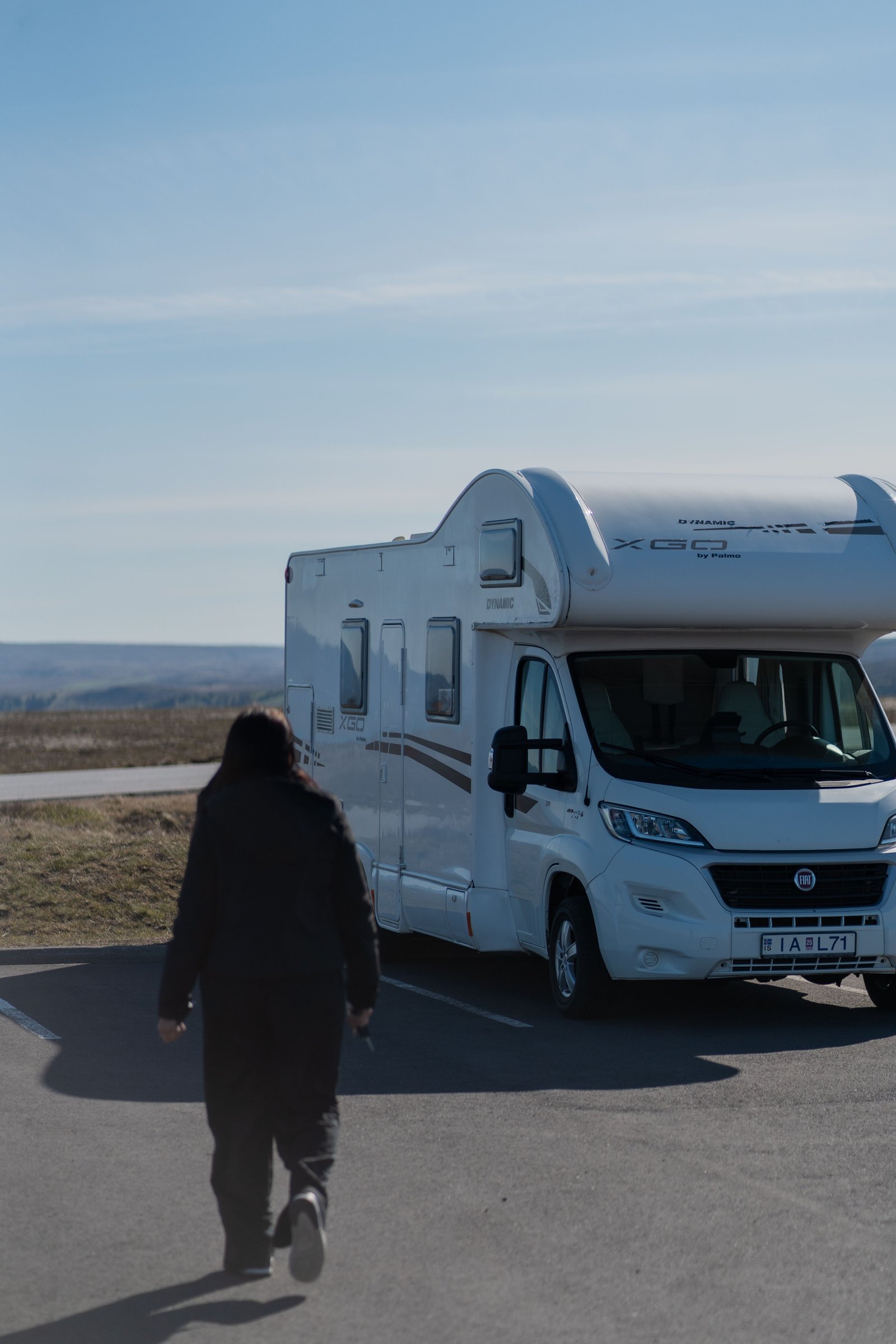
Traveling through Norway by motorhome gives you a lot of freedom, but the question of where you can actually stop for the night causes more confusion than almost anything else.
A lot of that confusion comes from one source: Norway’s right to roam, allemannsretten. It is a generous and genuinely wonderful tradition, but it does not work the way many visitors assume when a vehicle is involved.
The short version is this: the right to roam gives people broad access to uncultivated land, but it does not extend to driving or parking motor vehicles wherever they choose. Motorhomes, campervans and cars are governed by road traffic rules, parking regulations, local restrictions, signs and property rights — not by the right to roam.
This guide is meant to help you find a legal, considerate place to stop overnight on a motorhome road trip in Norway without relying on assumptions that could get you moved on, fined or simply make life harder for the people who live there.
The right to roam and motor vehicles are not the same thing
Norway’s right to roam — allemannsretten — is one of the things that makes outdoor life here so accessible. In broad terms, it allows people to walk, ski, rest and pitch a tent on uncultivated land, and to pick berries and mushrooms, as long as they behave considerately and do not cause damage.
But the right to roam applies to people rather than vehicles. It is not a general permission for motorhomes, campervans or cars. Motorhomes, campervans and cars are covered by road traffic rules, parking regulations, local restrictions, signs and property rights, not by allemannsretten.
So it is a mistake to assume that because you can walk somewhere and pitch a tent, you can also drive there and park a motorhome overnight. The two activities follow different rules, and the rules for vehicles are generally stricter. Put simply, Norway motorhome rules are not the same as the right to roam.
Where you can legally park and stay overnight
There are several straightforward, legal ways to stop overnight in a motorhome in Norway:
- Designated motorhome pitches — many municipalities and private operators provide marked pitches, sometimes with a small fee and basic facilities.
- Campsites — the most reliable option when you want electricity, toilets, showers and wastewater disposal.
- Legal roadside parking beside uncultivated land — parking on the shoulder of a public road where traffic rules allow it and no sign prohibits parking or overnight stays.
Roadside parking beside uncultivated land may generally be possible on the shoulder of a public road where traffic rules allow it and no sign prohibits parking or overnight stays. It is not a free pass to use any flat piece of ground beside a road. An ordinary permitted parking area is still only an option if parking is actually allowed there and no local sign bans overnight stays. And never confuse an ordinary permitted parking area with a passing place — the widened sections on narrow Norwegian roads exist so vehicles can pass each other, not so motorhomes can park.
Rules that apply when you stop outside a designated area
When you stop overnight outside a designated campsite or motorhome area, a few important rules apply. They are not optional extras — they are part of what makes informal overnight motorhome parking in Norway acceptable.
Keep the motorhome at least 150 meters from an inhabited house or cabin when you stay overnight outside a designated campsite or motorhome area. Do not remain in the same place for more than two nights without the landowner’s permission, unless different local rules or specific circumstances apply. Respect local signs and restrictions, because municipalities and popular tourist destinations may have stricter rules than the general guidance. And where overnight camping is permitted, keep at least four meters between motorhomes, caravans, tents and similar camping units for fire safety.
These rules do not override parking restrictions. Even when the 150-meter or two-night rules are satisfied, parking must still be legally permitted at the spot where you stop. If a sign bans parking or overnight stays, that sign wins.
Can you sleep in a motorhome in a regular parking space?
This is one of the most common questions about campervan parking in Norway, and the honest answer is: it depends on the specific parking area.
Parking a vehicle and sleeping in it are not always treated the same way, and overnight restrictions vary by location, signage and local rules. Some parking areas explicitly allow motorhomes to stay overnight, some permit parking during the day but prohibit overnight stays, and some ban motorhomes from stopping at all.
Because these rules are local, there is no single national answer. The only reliable approach is to check the rules that apply to the specific parking area you are in — read the parking signs, check the time limits, look for payment requirements, watch for restrictions that apply specifically to motorhomes, look for any overnight-stay prohibitions, and check the municipal or local rules. If overnight stays are clearly not allowed, move on to a designated pitch or campsite. A legal parking space is not automatically a legal place to sleep overnight.
Places you should never use as overnight parking
Some places are never appropriate for overnight parking, regardless of how quiet they seem. These include:
- Passing places — the widened sections on narrow Norwegian roads exist so vehicles can pass each other. They are not parking spaces, and using them as such can create a real hazard.
- Entrances, driveways, gates and access roads — never block them, even for a short stop.
- Private property without permission — land beside a road is often private, and you need the owner’s permission to stay.
- Farmland — do not drive or park on fields, meadows or agricultural land.
- Bends, blind crests and narrow shoulders — anywhere your vehicle creates a traffic or visibility hazard for other road users.
- Anywhere parking or overnight stays are prohibited — respect the signs, including seasonal and local overnight bans.
If you are unsure whether parking or an overnight stay is permitted, choose another location.
Parking is not the same as setting up camp
There is an important difference between parking a vehicle and setting up a campsite. Even where parking is permitted, putting out chairs, tables, awnings, grills or other equipment may be treated differently from simply parking a motorhome for the night.
How this distinction is applied can vary according to the location and local rules, so always check the signs and regulations that apply where you stop. But as a general habit, many places that tolerate a parked motorhome for the night do not tolerate a camp being set up around it. Extending awnings, spreading equipment across the ground and staying for long periods is much more likely to be seen as a problem, and is more likely to lead to restrictions being introduced.
A good habit is to keep an informal overnight stop simple: park, rest, and leave the place as you found it. If you want to establish a full campsite, use a campsite or a designated motorhome pitch where that is the whole point.
Why some areas have additional overnight restrictions
Some municipalities and popular tourist areas have introduced additional restrictions on overnight motorhome parking, particularly during the summer season. These are usually a response to pressure from large numbers of vehicles in a small area.
Local restrictions can be introduced for many practical reasons, including traffic pressure, waste management, safety concerns and the impact of large numbers of vehicles in a small area.
This is why you should never assume that a rule which applied in one town applies in the next. Check locally, and expect popular spots to be more regulated than quiet ones.
Find a legal place to stop before evening
One of the easiest mistakes to make is driving on into the evening and then taking whatever spot appears. That is how people end up in passing places, on private land or in places where overnight stays are not allowed.
A better approach is to decide where you will stop while you still have daylight and options. Plan toward a designated motorhome pitch, a campsite or a known legal parking area, and treat anything else as a last resort you have checked carefully.
In summer, when light lasts late, this is less urgent — but the principle still holds. Choosing your stop deliberately is always better than choosing it out of necessity.
Traveling responsibly
Wherever you stop, how you behave matters as much as where you park. A few simple habits keep things smooth for you and for the people who live there:
- Keep noise down, especially in residential areas and late at night.
- Take all your trash with you — never leave bags, bottles or waste behind.
- Empty wastewater and toilet tanks only at authorized disposal facilities. Never empty tanks into the environment, into ordinary roadside drains, or into any drain not meant for it.
- Respect residents and other visitors — keep noise low, follow local restrictions and leave the area clean.
The places that welcome motorhome travelers stay welcoming because the travelers who came before left no trace. That is the standard to aim for.
When a designated pitch or campsite is the easiest option
If you need facilities — electricity, toilets, showers, drinking water or a place to empty wastewater — a designated motorhome pitch or a campsite is usually the simplest and most reliable choice.
They remove the guesswork. You know parking is allowed, you know what the rules are, and you have what you need without improvising. In popular areas and during peak season, they are often the only stress-free option.
There is nothing second-rate about using them. Plenty of experienced motorhome travelers use campsites and designated pitches regularly, precisely because they make the evening easier.
A simple rule I would follow
If a place feels unclear, crowded, residential or likely to disturb someone, I would not stop there. I would continue to a designated motorhome area or a campsite where staying overnight is clearly allowed.
It is not a legal rule — it is just a practical one. The small amount of extra driving is almost always worth it compared with an awkward conversation, a fine or a bad night spent worrying about whether you should be there.
A quick checklist before you stop
Before you settle in for the night, run through this:
- Is parking clearly permitted here?
- Is there any sign restricting or banning overnight stays?
- Am I at least 150 meters from an inhabited house or cabin?
- Am I keeping at least four meters from other motorhomes, caravans, tents or similar camping units?
- Am I on private property, farmland or blocking an entrance?
- Am I using a passing place or creating a traffic or visibility hazard?
- Do I have a plan for trash, toilet and wastewater at an authorized facility?
- Am I keeping the stop simple — no awnings, chairs or camp setup?
- Would I be comfortable if a local resident walked past right now?
If you can answer those honestly and comfortably, you are probably in the right place.
Final thought
Norway is a wonderful country to travel through by motorhome, and most of the time finding a place to stop is straightforward — as long as you follow the rules that actually apply to vehicles.
The right to roam is not a parking permit. Treat parking, signs and private property with respect, use designated pitches and campsites when you need facilities, and you will find that the freedom of motorhome travel here works exactly the way it is meant to.
A little care at the end of the day’s driving is what keeps that freedom open for everyone who comes after you.
Parking rules, overnight restrictions and local regulations vary by municipality and can change, especially during the tourist season. Always check current local signs and official information for the area where you plan to stop. Last reviewed: September 2026.