Salmon Fishing in Norway: Rules for Salmon, Sea Trout and Arctic Char
Fishing in Norway · 11 min read
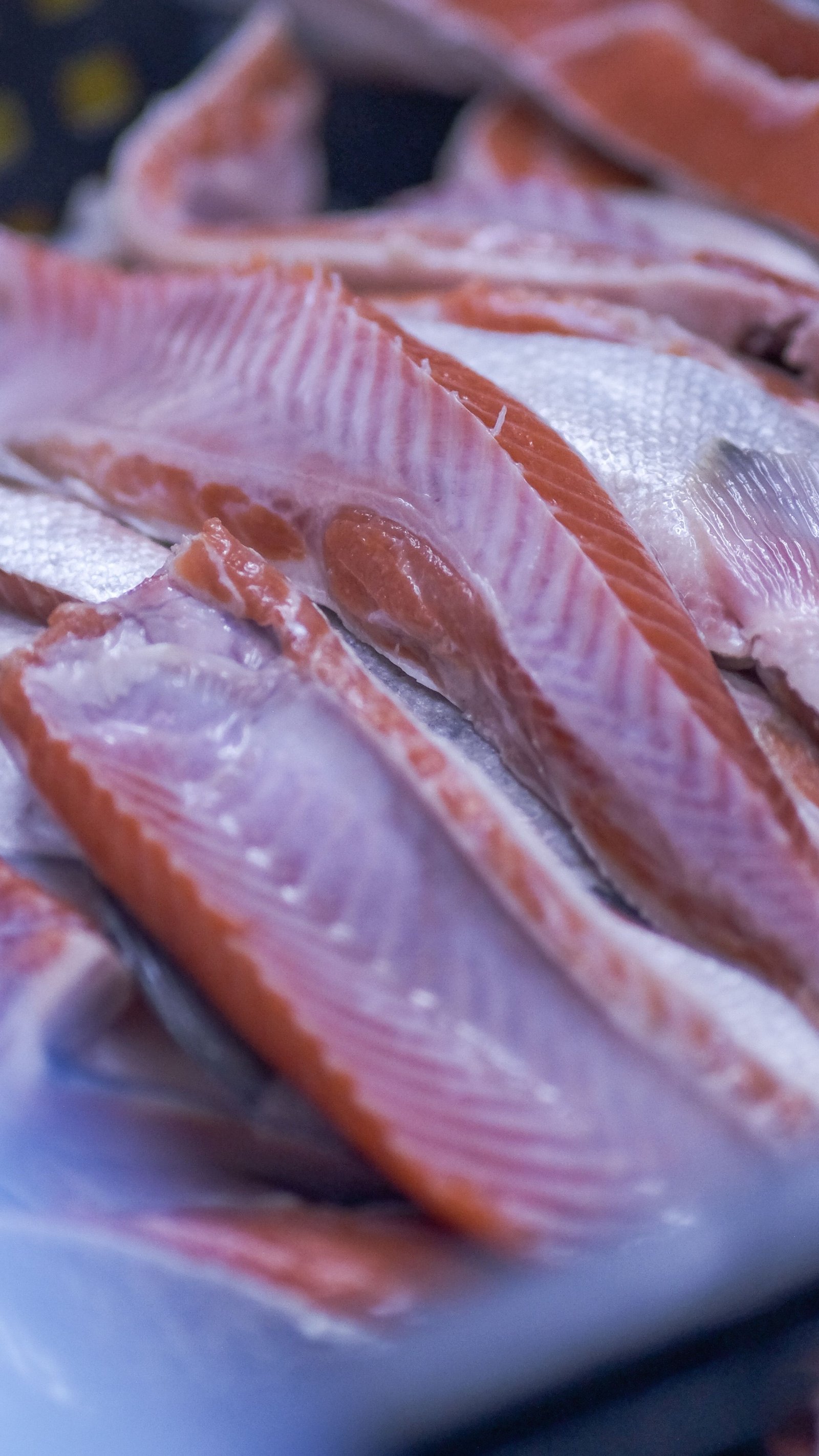
Before fishing for salmon in Norway, you need to check more than where to cast. River fishing generally requires a local permit, and anglers age 18 and older must also pay the national fishing fee when targeting salmon, sea trout or sea-run Arctic char in rivers and lakes. Seasons, permitted tackle and catch limits depend on the specific water.
This guide covers these migratory fish, including sea-run Arctic char, known as sjørøye in Norwegian. It does not treat all Arctic char as migratory: populations that remain in freshwater fall under different rules. Use this guide to prepare, then check the current official regulations and permit conditions for your exact fishing location.
Why these species have stricter rules
Anadromous fish move between freshwater and the sea during their life cycle. This guide focuses on Atlantic salmon, sea trout and sea-run Arctic char. Their dependence on particular river systems makes protecting those habitats and populations especially important.
That is why they are regulated more strictly than ordinary freshwater species. The rules are designed to protect the fish and the rivers they depend on, and they can be adjusted when stocks are under pressure.
It is important to understand that the rules can vary by river, by season and by year. A season that applied on one river last year may not apply on the same river this year, and a rule that applies on one river may not apply on the next one a short distance away. Before fishing, always check the specific river system you plan to fish rather than relying on general information or what you remember from a previous trip.
Do you need a fishing license?
Yes. To fish for salmon, sea trout or sea-run Arctic char in a Norwegian river, you normally need a local fishing permit from the holder of the fishing rights for that specific river or stretch of water. The fishing rights are usually held by a landowner, an estate or a local fishing association, and the permit you buy covers the particular water it is issued for.
Local tourist offices, sports shops and local fishing organizations are often the best starting point for finding where to buy the correct permit. They usually know who holds the rights for the rivers nearby, what the current price and conditions are, and whether any special rules apply.
Check the waters, fishing stretches, dates and conditions covered by your permit. Some permits cover several waters, while others cover only a particular stretch. Never assume that a permit lets you fish elsewhere.
The national fishing fee
In addition to the local fishing permit, anglers aged 18 or older who fish for salmon, sea trout or sea-run Arctic char in rivers and lakes must normally pay the national fishing fee. This is a separate, official requirement that applies alongside the local permit, not instead of it. Pay the national fishing fee through the official service.
Children and youth under 18 do not pay the national fishing fee. This makes it easier for families to introduce younger anglers to the sport, but the local fishing permit and local rules still apply regardless of age, so check what is needed for the specific water.
The key point is that the national fishing fee and the local fishing permit are two different things. Paying the national fee does not replace the need for a local permit, and holding a local permit does not remove the requirement to pay the national fee if you are 18 or older and fishing for these species. You generally need both.
Fishing seasons vary
There is no single universal season for every salmon, sea trout or sea-run Arctic char river in Norway. Opening and closing dates are set for each river system, and they can differ considerably from one water to the next.
Anglers are responsible for checking the opening and closing dates for the specific river they plan to fish. This information is usually available from the local fishing-rights holder, local fishing organizations or official sources, and it should be checked close to the time of your trip rather than months in advance.
Some rivers can open later than expected, or carry additional restrictions, depending on stock conditions, water levels and conservation needs. Fishing seasons depend on the specific water and the applicable regulations, so treat the season as a river-specific question and confirm it before you travel.
What fishing gear is allowed?
For salmon, sea trout and sea-run Arctic char in rivers and lakes, anglers are generally limited to a rod and handline. Check the regulations and permit conditions for the specific water before choosing your tackle.
Allowed bait can include worms, lures, spinners, wobblers and flies, depending on the water and the local rules. Local variations can apply, so a method that is permitted on one river may be restricted on another, and some rivers restrict certain baits or methods at particular times of the season to protect fish.
Nets, traps and other non-handheld gear are not permitted for ordinary recreational fishing for these species in rivers and lakes. This section does not describe the separate rules governing fishing methods at sea.
Hook rules and snagging
Snagging fish is not permitted. Fish must be caught by normal angling rather than by deliberately dragging or striking hooks through the water to hook them externally.
National rules also set maximum hook gape sizes for fishing for anadromous salmon, sea trout and sea-run Arctic char. The maximum gape is 15 mm for a single hook and 13 mm for double and treble hooks. Local rules may be stricter, so always check the regulations for the specific river before fishing.
Catch limits and local conservation rules
Local rules for salmon, sea trout and sea-run Arctic char can be detailed, and they are set to protect the fish populations of each river. These rules may include daily or seasonal catch limits, size restrictions, protected zones, mandatory release of certain fish, and temporary closures.
A river might require you to release all fish above or below a certain size, or to release fish of a particular sex or stage, or to stop fishing once you have reached a daily limit. Protected zones may close certain stretches of water entirely, often near spawning areas or river mouths.
Catch limits and other restrictions depend on the specific water and the applicable regulations. Both the official regulations and the permit conditions matter, so check them together rather than assuming the restrictions are set only by the local fishing association. Read them before you fish, and follow them on the water.
Rivers can close or change rules during the season
Regulations for salmon, sea trout and sea-run Arctic char can change during the season if fish stocks are under pressure. A river that opened as planned at the start of its season may close early, or introduce new release requirements or catch limits, if returns are low or conditions change.
This is why you should not rely only on information you checked months earlier. Rules you read in the winter may have been updated by the time you arrive in summer, and a river that seemed open may have new restrictions in place.
The practical habit is to check current river-specific information shortly before fishing — ideally within the last few days, and again the day before if you can. Local fishing organizations and the rights holder usually post updates when rules change, and a quick check before you head out can save you from fishing against rules you did not realize had changed.
Fishing in the sea
Fishing for salmon, sea trout and sea-run Arctic char in the sea follows different rules from fishing in rivers and lakes.
According to the Norwegian Environment Agency, you may generally fish for these species in the sea free of charge year-round using a rod from the shore. Local bylaws may create exceptions, so always check the area you plan to fish.
Special restrictions apply near river mouths. The Norwegian Environment Agency’s general guidance prohibits sea fishing within 100 meters of a river mouth during the conservation season. Local regulations may define additional or larger protected zones. Check the mapped boundaries, permitted methods and current restrictions for the exact location; being more than 100 meters away does not automatically mean fishing is allowed.
Clean and disinfect your equipment
Equipment can carry fish diseases between waters. Clean your tackle, boots, waders and other equipment, then dry or disinfect it as required before moving between river systems. Do not treat this as an optional courtesy.
The Norwegian Food Safety Authority explains that drying can replace disinfection when equipment has not been used in a restriction zone for crayfish plague or Gyrodactylus salaris. Its air-drying guidance specifies at least two days at 20°C or above, and equipment must be completely dry. Equipment used in disease restriction zones is subject to additional requirements; do not assume drying alone is sufficient.
Check the current requirements for both the water you are leaving and the water you plan to fish. Follow applicable disinfection requirements and any permit conditions, including documentation if requested.
Do not move live fish
Do not transfer live fish between rivers or lakes, and do not use live fish as bait. Avoid carrying water or organisms between waters in bait containers or other equipment. Follow the applicable release and catch-handling rules where you fish.
What if you are targeting another species in a salmon river?
In rivers with runs of salmon, sea trout or sea-run Arctic char, you may still need to follow the migratory-fish rules even when you are targeting other freshwater species. The stricter regulations exist to protect the migratory populations, and they can shape what gear, seasons and methods are allowed on that river as a whole.
This means a river that looks like an ordinary freshwater river may in fact be a salmon river with additional rules that apply to everyone fishing there, not only to people targeting salmon. Assuming the ordinary freshwater rules apply can lead to fishing illegally by mistake.
Check the exact river rules before fishing, and follow any additional local rules that apply.
A simple checklist before fishing
A short list to run through before you fish a Norwegian salmon, sea trout or sea-run Arctic char river:
- identify the exact river or lake
- buy the correct local fishing permit
- pay the national fishing fee if you are 18 or older and it applies
- check the current season dates
- check local catch limits
- check permitted gear and bait
- check and follow equipment drying and disinfection requirements
- check for temporary closures or special conservation rules
- carry your permit and proof of payment where required
Use this checklist to organize your preparations, and allow enough time to arrange permits and prepare your equipment. It complements the current official regulations and permit conditions for your fishing location.
Final thought
Fishing for salmon, sea trout and sea-run Arctic char in Norway can be highly rewarding, and the rules are more detailed and more local than for ordinary freshwater fishing. Find the permit for the specific river, pay the national fishing fee if it applies to you, check the season and gear rules, and confirm the current regulations shortly before you fish. Do that, and you give yourself the best chance of a memorable trip while helping protect the rivers that make it possible.
River openings, closures, catch limits and conservation measures can change during the season. Always check the current rules with the Norwegian Environment Agency and the local fishing-rights holder for the specific river before fishing. Last reviewed: September 2026.
Keep reading
- Fishing Around Tustna and Aure
- Fishing in Norway for German Visitors
- Taking Fish Home from Norway: 2026 Export Rules for Tourists
- Freshwater Fishing in Norway: Licenses, Local Rules and What Visitors Need to Know
- Boat Fishing Safety in Norway: Rules and Tips for Visitors
- Fishing in Norway: 13 Mistakes Visitors Should Avoid