Fishing Around Tustna and Aure
Fishing in Norway · 8 min read
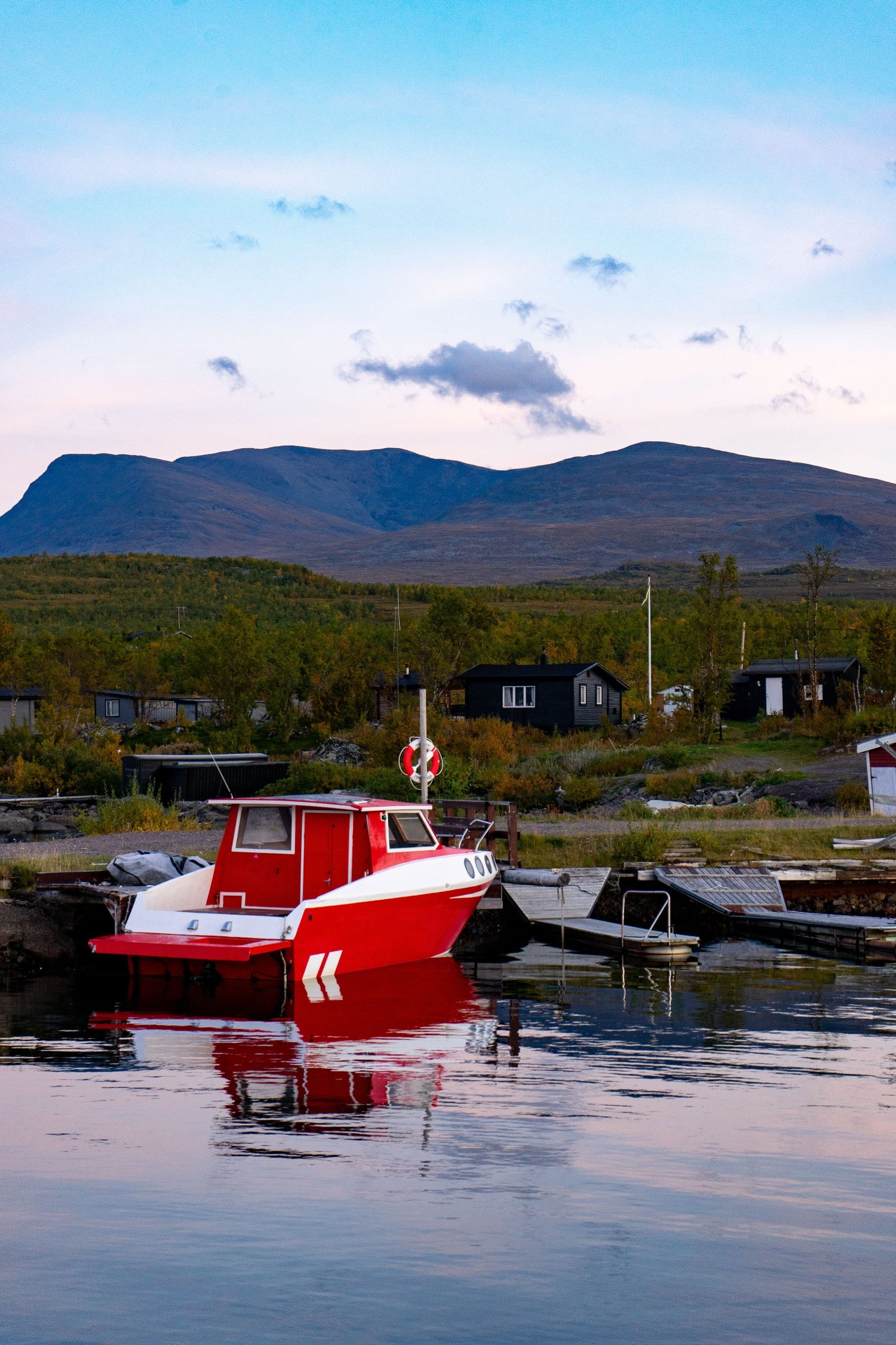
A local guide to fishing opportunities, practical preparation, safety and current rules around the islands and coast of Aure.
Why Tustna and Aure are worth fishing
The coast of Møre og Romsdal is not the first place most international anglers think of when they picture fishing in Norway, and that is part of what makes it appealing. Around Tustna and the Aure area, the sounds between islands create a mix of sheltered water and more exposed coastal stretches, often within a short boat ride of each other. That variety means the conditions and the species you meet can change noticeably over the course of a single day.
This part of the coast can feel quieter than some of Norway’s best-known fishing destinations. Around Tustna and Aure, you are often sharing the water with local boats rather than large numbers of visiting anglers, which gives the area a very different atmosphere.
What you can expect to catch
Depending on the season and conditions, anglers may encounter cod, saithe (coalfish), mackerel, pollack, ling and other species around the sheltered sounds, small islands and more exposed coastal stretches.
- Cod and saithe can be among the more commonly encountered species, depending on the conditions.
- Mackerel may be available at times and can provide fast, accessible fishing when they are present.
- Pollack and ling may be found around rougher ground and the more exposed coastal stretches.
Catches vary and fishing is never predictable, so it is worth asking locally about what is currently running rather than arriving with a fixed expectation.
Practical preparation before you set out
A little preparation makes a big difference on the Norwegian coast, where the weather can change quickly and the water is cold year-round. Before you head out, it is worth checking the forecast, telling someone your plan and making sure your boat and safety equipment are in order.
- Check the marine forecast on yr.no or a local equivalent, not just the general weather.
- Let someone on shore know where you plan to fish and when you expect to return.
- Make sure your boat has enough fuel for the round trip plus a margin, and that the engine is reliable.
- Make sure there is a suitable personal flotation device for everyone on board. In recreational boats under 8 meters, people who are outdoors must wear a suitable flotation device while the boat is underway. Carry a reliable way to call for help, such as a charged mobile phone in a waterproof case. If using maritime VHF, make sure it is operated in accordance with the applicable training and licensing requirements.
- Before renting or operating a boat, confirm the applicable boating license requirements and whether your qualifications are accepted in Norway. Check with the rental provider and the Norwegian Maritime Authority.
- Dress in layers and bring waterproofs — conditions on the water are usually colder than on land.
Fishing safely from a boat
Safety matters more than the size of your catch. The sea around Tustna and Aure can be calm and sheltered in one sound and surprisingly lively around the next headland. If conditions deteriorate or you feel unsure, stop fishing and seek safe shelter using a route appropriate to the conditions. Staying close to shore does not automatically make boating safer.
Keep a respectful distance from aquaculture facilities, other boats and fixed fishing gear, and always follow any local instructions or marked areas. Do not fish within 100 meters of an aquaculture facility. Boat traffic should also stay at least 20 meters away from the facility and its mooring equipment. Local knowledge is worth more than any single piece of equipment, so if you are new to the area, consider fishing with someone who knows the waters or basing yourself at a camp that can brief you.
Knowing the current rules
Recreational sea fishing from a boat or the shore is widely accessible, but it is not rule-free. Tourists may use hand-held fishing gear such as rods and hand lines, and must respect minimum sizes, protected species, local restrictions and current fishing regulations. The catch may not be sold.
If you plan to take home sea fish you caught during your trip, separate tourist-fishing export rules apply. In 2026, only tourists aged 12 or older who have fished through a registered tourist fishing business may export fish from Norway, with a quota of 15 kg usable up to twice per calendar year. From 1 January 2027, the quota is reduced to 10 kg. When exporting fish, the tourist must also carry individual documentation from the registered tourist fishing business confirming that the fishing took place through that business. The person named in the documentation must be present when the fish is taken out of Norway. Always verify the current rules with the Norwegian Directorate of Fisheries before traveling home. Fish purchased from a registered business is subject to separate documentation rules; check Norwegian Customs for details.
Where to base yourself
Having the right base makes fishing around Aure much easier, especially if you are traveling from abroad and cannot bring a boat. A fishing-focused camp can provide accommodation, rental boats, safety equipment and practical facilities such as fish-processing areas and freezers for storing your catch.
Fishing conditions, species, rules and export quotas can change by season and year. Always check current information from the Norwegian Directorate of Fisheries, as well as any local restrictions or notices, before fishing and before traveling home with fish.
Keep reading
- Fishing in Norway for German Visitors
- Taking Fish Home from Norway: 2026 Export Rules for Tourists
- Freshwater Fishing in Norway: Licenses, Local Rules and What Visitors Need to Know
- Salmon Fishing in Norway: Rules for Salmon, Sea Trout and Arctic Char
- Boat Fishing Safety in Norway: Rules and Tips for Visitors
- Fishing in Norway: 13 Mistakes Visitors Should Avoid