Fishing in Norway
Practical rules, safety advice and local information for visitors who want to fish in Norway.
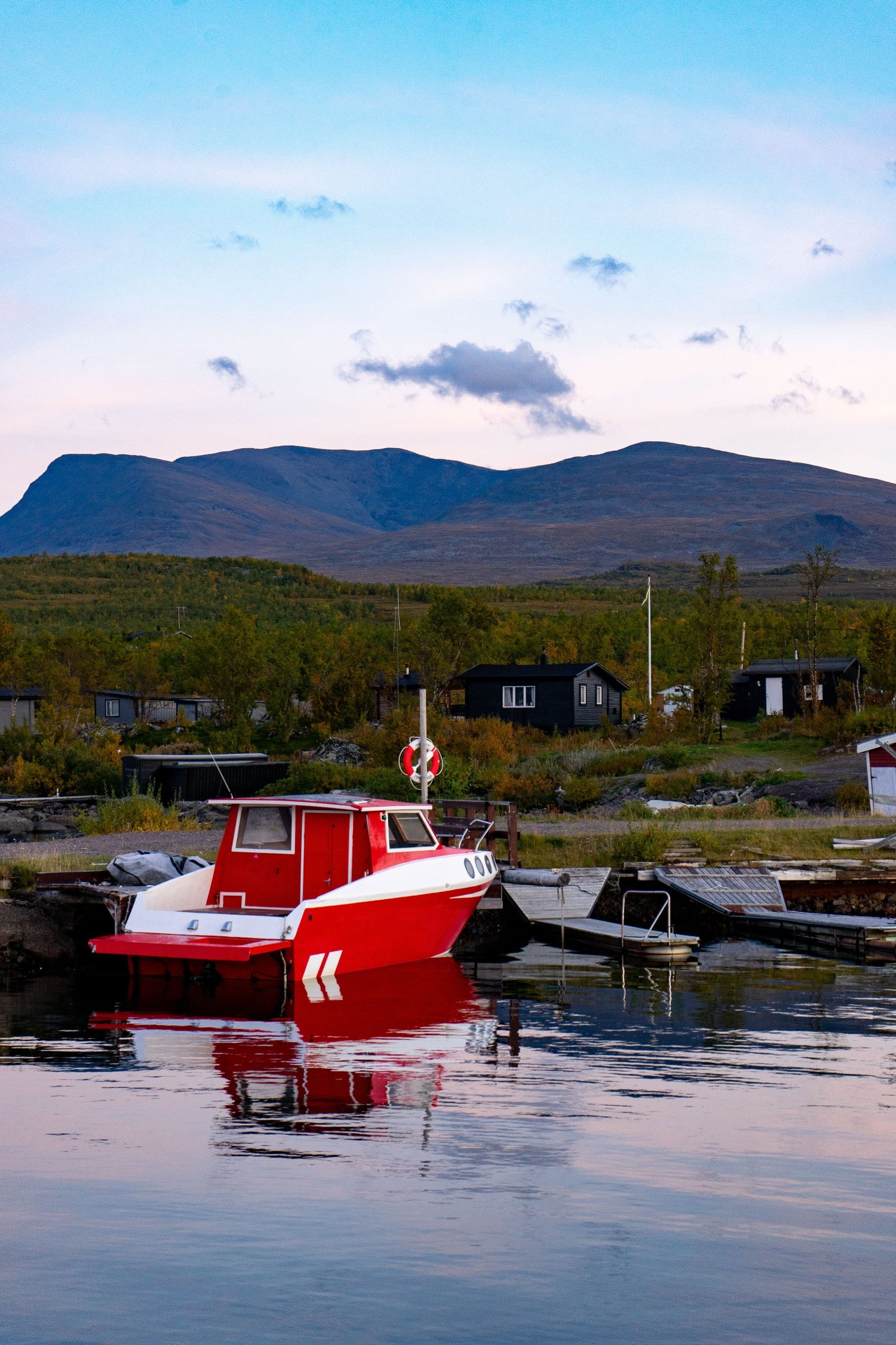
Fishing is one of the reasons many visitors return to Norway year after year. But sea fishing, freshwater fishing and salmon fishing do not follow exactly the same rules, and there are also specific regulations for tourists who want to take fish home. This section explains the basics in plain language and points you towards the official rules you should check before fishing.
What Visitors Should Know Before Fishing
08.1 Taking fish home from Norway — 2026 rules
In 2026, only tourists aged 12 or older who have fished through a registered tourist fishing business may export fish from Norway. The export quota is 15 kg of fish or fish products and may be used up to twice per calendar year. Individual documentation is required, and the person named in the document must be present when the fish is taken out of Norway. From 1 January 2027, the quota is reduced to 10 kg. Always verify the current rules with the Norwegian Directorate of Fisheries before travelling home.
08.2 Freshwater fishing — licences and local rules
Freshwater fishing usually requires permission or a fishing licence from the local holder of fishing rights. Rules can vary between lakes, rivers and landowners, so always check the specific water you plan to fish.
08.3 Salmon, sea trout and Arctic char
Fishing for salmon, sea trout and Arctic char is more tightly regulated. Anglers aged 18 or older must normally pay the national fishing fee, and a local fishing licence is also required. Season dates and local rules vary by river and year, so check the current rules before travelling.
08.4 Fishing safely from a boat
Wear a life jacket, check weather and sea conditions before you set out, avoid unnecessary risk in changing conditions, and respect aquaculture facilities and other boats. Local knowledge matters as much as equipment on the Norwegian coast.
08.5 What foreign anglers often get wrong
Common misunderstandings include assuming all fishing in Norway is licence-free, assuming the fish export quota applies to everyone, or relying on old rules found online. The rules differ by species, water and whether you fished through a registered tourist business — so always check the current official information.
Fishing on the Møre og Romsdal coast
The coast of Møre og Romsdal attracts anglers from several European countries each year. Islands, sheltered sounds and open coastal waters create very different fishing conditions within relatively short distances. Weather and sea conditions can change quickly, so local knowledge and realistic planning matter just as much as equipment.
Where anglers can stay around Aure
Nothaugen Fishing Camp
Nothaugen is a fishing-focused base in Aure with accommodation, boat rental and practical facilities for anglers. Guests have access to fish-processing facilities, large freezers for storing their catch and a marina with a petrol pump for refuelling boats. The rental boats are equipped for fishing, and safety equipment is included.
Guides on Fishing in Norway
- Fishing Around Tustna and Aure
A local guide to fishing opportunities, practical preparation, safety and current rules around the islands and coast of Aure.
- Fishing in Norway for German Visitors
A straightforward guide to licenses, export rules, boat safety and the practical things German anglers should know before traveling to Norway.
- Taking Fish Home from Norway: 2026 Export Rules for Tourists
A practical guide to the 2026 Norwegian tourist fish export rules — who can take fish home, the 15 kg quota, the 2027 reduction to 10 kg, the documentation you need and what to check before you leave.
- Freshwater Fishing in Norway: Licenses, Local Rules and What Visitors Need to Know
A clear, practical guide to freshwater fishing in Norway — when you need a local fishing license, where to buy one, the rules for children, permitted gear, and why the rules are usually local rather than national.
- Salmon Fishing in Norway: Rules for Salmon, Sea Trout and Arctic Char
A clear, practical guide to fishing for salmon, sea trout and sea-run Arctic char in Norway — local permits, the national fishing fee, seasons, permitted gear, sea fishing rules, disinfection and why the rules are more detailed and more local than for ordinary freshwater fishing.
- Boat Fishing Safety in Norway: Rules and Tips for Visitors
A practical, calm guide to fishing safely from a boat in Norway — life jackets, marine forecasts, fuel, cold water, aquaculture facilities and the simple checks that make a fishing day safer.
- Fishing in Norway: 13 Mistakes Visitors Should Avoid
A practical overview of the mistakes visitors should avoid when fishing in Norway — sea fishing rules, export quotas, freshwater permits, salmon rivers, minimum sizes, aquaculture distances, boat safety and equipment hygiene.
Fishing regulations can change by species, location and season. Always check current rules from the Norwegian Directorate of Fisheries, the Norwegian Environment Agency and the local fishing-rights holder before fishing.