Freshwater Fishing in Norway: Licenses, Local Rules and What Visitors Need to Know
Fishing in Norway · 10 min read
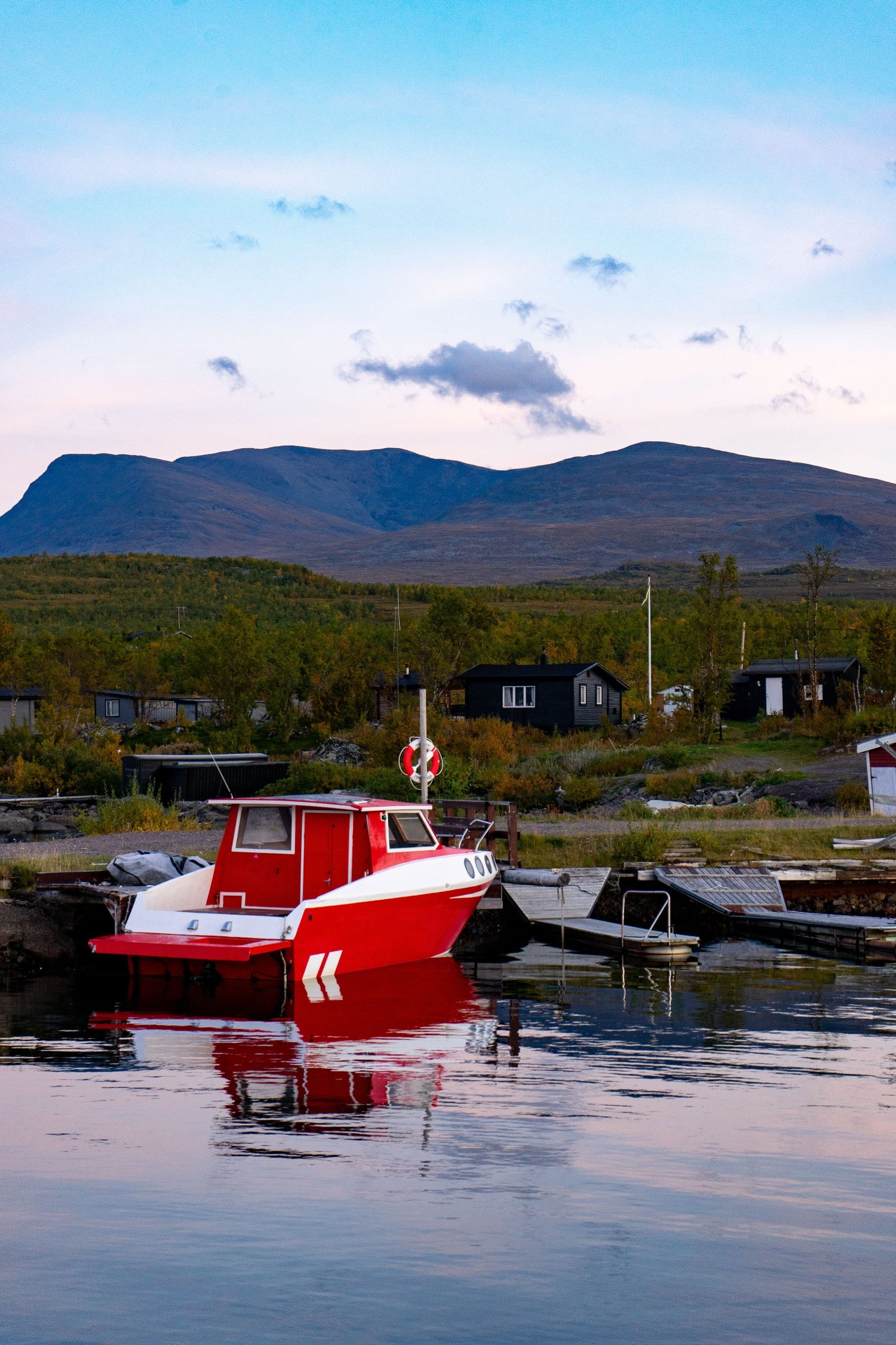
Freshwater fishing in Norway can be a wonderful part of a trip — quiet lakes, clear rivers and landscapes that feel a long way from the coast. But it does not work the same way as sea fishing, and that is where many visitors get caught out.
Unlike ordinary sea fishing from a boat or the shore, freshwater fishing usually requires permission from whoever holds the fishing rights to the specific lake or river. There is no single national freshwater fishing license that covers every ordinary lake and river in Norway. The rules are local, and they can differ from one water to the next.
This guide explains the basics in plain language, based on the current official guidance from the Norwegian Environment Agency, so you know what to check before you cast a line in a Norwegian lake or river.
Do you need a fishing license for freshwater fishing in Norway?
In most lakes and rivers, yes — you need permission or a fishing license from the holder of the fishing rights. Freshwater fishing is different from ordinary sea fishing, where tourists can often fish from a boat or the shore with handheld tackle under broader access. In freshwater, the right to fish is usually tied to the specific water and who owns or controls it.
The fishing rights may belong to a landowner, a local fishing association, or another local rights holder, depending on the water and the region. Some waters are managed by associations that sell permits to visitors, while others are controlled by individual landowners or estates. This is why a rule that applies to one lake may not apply to the next one a few kilometers away.
The practical consequence is simple but important: rules vary between waters, and you should always check the specific lake or river before fishing. Assuming that what worked on a previous trip, or in a neighboring valley, automatically applies here is one of the most common ways visitors get it wrong.
Local fishing permit or national fishing fee?
A local fishing permit, called a fiskekort, gives you permission to fish in the waters or area covered by that permit. The national fishing fee, called fiskeravgift, is a separate payment and does not replace the local permit.
You do not pay the national fishing fee for ordinary inland freshwater fishing. Anglers aged 18 or older must pay it when fishing for salmon, sea trout or anadromous Arctic char in rivers and lakes. It can also be required when targeting inland species on salmon-bearing stretches during an open season for migratory fish. Check the rules for the exact stretch before fishing. For the official fee guidance, see Norwegian Environment Agency — Pay the national fishing fee.
Where do you buy a freshwater fishing license?
Freshwater fishing licenses may be sold locally or online, depending on the water. Some local fishing associations and landowners now sell permits through websites or fishing-license platforms, while others only sell permits on site or through local outlets.
Local tourist offices, sports shops and local fishing organizations are often the best starting point. They usually know who holds the fishing rights for the waters nearby, where the permit is sold, and what the current price and conditions are. A quick visit or call to a local tourist information office can save a lot of guessing.
There is no single national freshwater fishing license for ordinary lakes and rivers, because the requirements vary by water, species and region. The permit you need is the one that covers the specific water you intend to fish, issued by the rights holder or their agent. If you cannot find a permit for a particular lake or river, that is often a sign to ask locally rather than to assume no permit is needed.
You can also search for the lake, river or fishing area on Inatur.no. Check the permit’s map, dates, species and conditions before buying. Not all waters are listed there; if you cannot find your location, contact the local fishing-rights holder or tourist office.
Children and freshwater fishing
Children under 16 can generally fish for ordinary inland freshwater species free of charge with a rod and hand line from January 1 through August 20. This general right does not apply in the same way where salmon, sea trout or anadromous Arctic char are present.
Children under 16 are also not covered by the general free-fishing rule for crayfish or in man-made fish ponds. Some lakes and rivers may have specific exemptions from the general rule, so always check local signs and permit information before fishing.
If a water has salmon, sea trout or anadromous Arctic char, special rules may apply. Check the specific lake or river rather than assuming the general children’s rule gives unrestricted free fishing.
Freshwater species and local rules
Lakes and rivers in Norway can have their own rules, set by the rights holder and by the authorities for conservation reasons. These local rules commonly cover:
- fishing seasons
- permitted gear
- catch limits
- minimum sizes
- protected areas
- local conservation measures
Catch limits and fishing seasons vary by species and water. Check both national regulations and the local rules for your fishing location. A small lowland lake and a mountain river can have completely different seasons and rules, and what is allowed in one may be prohibited in the other. Check the permit information and local signage for the specific water alongside the official regulations rather than treating either as the only source.
What fishing gear is allowed?
Rules for ordinary freshwater species can differ locally, so the permitted gear depends on the water you are fishing. Some lakes and rivers restrict certain types of tackle, set rules on the number of rods, or prohibit specific methods. Always check the local permit information before assuming your usual setup is allowed.
National restrictions apply alongside local permit conditions. Methods such as poisons, explosives and electric current are prohibited. This is not an exhaustive list: check the Norwegian Environment Agency’s current guidance and the rules for the specific water before choosing your equipment or method.
Optional equipment for your fishing trip
Your equipment depends on where and how you plan to fish. These optional items are examples to consider, rather than equipment every visitor needs.
Calamus WaveWalker fishing waders with integrated boots. An option for anglers planning to wade while fishing. This model has integrated boots, unlike stockingfoot waders that require separate wading boots. Check the manufacturer’s sizing chart for both boot and body fit before ordering. Waders are not necessary for every fishing trip. View Calamus WaveWalker waders on Amazon (affiliate link)
MEIYA digital fishing scale. An optional accessory for weighing fish you intend to keep, where retention is permitted. A weighing scale does not replace a measuring tape for checking minimum-length rules. View the MEIYA fishing scale on Amazon (affiliate link)
Salmon, sea trout and Arctic char are different
Fishing for migratory salmon, sea trout and anadromous Arctic char is more tightly regulated than ordinary freshwater fishing, and it is a separate topic that deserves its own guide. These fish are anadromous, meaning they migrate between freshwater and the sea as part of their life cycle, which is why they are protected more carefully than ordinary, non-migratory freshwater species. In brief, it normally requires a local fishing permit for the river, and anglers aged 18 or older must also pay the national fishing fee. Local seasons and rules vary by river and by year, so what applied last season on one river may not apply this season on another. For the full breakdown, see our separate guide to Salmon, Sea Trout and Arctic Char in Norway.
Rivers with migratory fish
In rivers where salmon, sea trout or anadromous Arctic char occur, you may need to follow the rules for migratory fish even when you are targeting other freshwater species. The stricter regulations exist to protect the migratory populations, and they can shape what gear, seasons and methods are allowed on that river as a whole.
A river that looks like an ordinary freshwater river may in fact be a salmon river with additional rules that apply to everyone fishing there, not only to people targeting salmon. Check the specific river stretch before fishing, as additional local rules may also apply.
Do not move fish between lakes and rivers
Do not move live fish from one water system to another. This applies whether you are moving fish deliberately or simply emptying a keep net or bait bucket at the end of the day, and it is one of the easiest rules to break without thinking.
The reason is straightforward: moving fish between waters helps spread disease and invasive organisms, and it can seriously damage the fish populations and the ecosystems of both the water the fish came from and the water it is moved to. Once an invasive species or a fish disease is established in a new system, it is extremely difficult to reverse.
The practical habit is to release fish in the same water where they were caught, and to never introduce fish, water or organisms from one lake or river into another.
Clean and dry fishing equipment
Preventing the spread of disease is a requirement, not just a good habit. Before moving fishing gear, boots, waders, boats or other equipment to another freshwater system, follow the Norwegian Food Safety Authority’s requirements for thorough drying or disinfection.
Equipment used in areas with restrictions for Gyrodactylus salaris or crayfish plague may require additional treatment. Do not assume drying alone is sufficient, and check the applicable restrictions before moving equipment, even if there are no signs at the water.
Clean equipment before treatment and follow Mattilsynet’s current drying or disinfection instructions. Ask the local operator or Mattilsynet if you are unsure.
Live bait
Do not use live fish as bait. Using live fish as bait is one of the ways unwanted species and diseases can be introduced into a water system, and it is the kind of thing that causes real harm even when it seems harmless on the day.
Keep this simple: if you use bait, use it in line with the local rules for the water you are fishing, and do not introduce live fish from elsewhere. Do not bring fish from one lake or river to use as bait in another, even if the fish is dead. Follow the applicable biosecurity rules as well as the local bait restrictions. When in doubt, ask the local rights holder or tourist office what is permitted.
How local rules can differ
Norway has a great many lakes and river systems, and rules that apply in one place may not apply in another. A season, a gear restriction or a catch limit that is correct for one lake can be wrong for the next, and the differences are not always obvious from the landscape alone.
This is why it is worth checking local signage, permit information and official guidance for the specific water, rather than relying on old forum posts or information from another region. Rules also change over time as conservation needs change, so something that was true a few years ago may have been updated since.
The reliable approach is to treat each new water as its own question: identify it, find the local permit and rules, and fish according to what applies there. It takes a few minutes, and it is the difference between fishing confidently and fishing on assumptions.
A simple checklist before freshwater fishing
A short list to run through before you fish a Norwegian lake or river:
- identify the exact lake or river
- find out who holds the fishing rights
- buy the correct local permit if required
- check the fishing season and local rules
- check permitted gear
- check catch limits and minimum sizes where applicable
- check whether salmon, sea trout or anadromous Arctic char are present
- pay the national fishing fee if required
- Dry or disinfect equipment before moving between freshwater systems, following Mattilsynet’s requirements and any disease-zone restrictions.
- never transfer live fish between waters
Running through this list takes only a few minutes, and it is the difference between a relaxed day on the water and discovering halfway through that you are fishing without the right permit or in a closed season.
Before you fish a new lake or river
Start by identifying the exact water — not just the general area, but the specific lake or stretch of river — so you can find out who holds the fishing rights and what rules apply. Look for the local permit information, either online or through a local tourist office or sports shop, and check whether the water has special rules: a closed season, gear restrictions, minimum sizes, or salmon, sea trout and anadromous Arctic char that bring stricter migratory-fish rules into play. Only when you have the right permit and understand the local rules should you unpack any fishing gear.
Freshwater fishing in Norway becomes straightforward once you understand that local permit conditions and national regulations apply together. Find the permit for the specific water, follow the local seasons and gear rules, and check whether salmon, sea trout or anadromous Arctic char add extra requirements. Treat each lake or river as its own set of rules, clean your gear between waters, and never move live fish from one system to another. A few minutes of checking before you start is the cheapest and easiest way to make sure the day goes smoothly.
Fishing seasons, permits, local conservation rules and national fee requirements can change. Always check the current rules with the Norwegian Environment Agency and the local fishing-rights holder for the specific water before fishing. Last reviewed: October 2026.
Keep reading
- Fishing Around Tustna and Aure
- Fishing in Norway for German Visitors
- Taking Fish Home from Norway: 2026 Export Rules for Tourists
- Salmon Fishing in Norway: Rules for Salmon, Sea Trout and Arctic Char
- Boat Fishing Safety in Norway: Rules and Tips for Visitors
- Fishing in Norway: 13 Mistakes Visitors Should Avoid