Fishing in Norway for German Visitors
Fishing in Norway · 8 min read
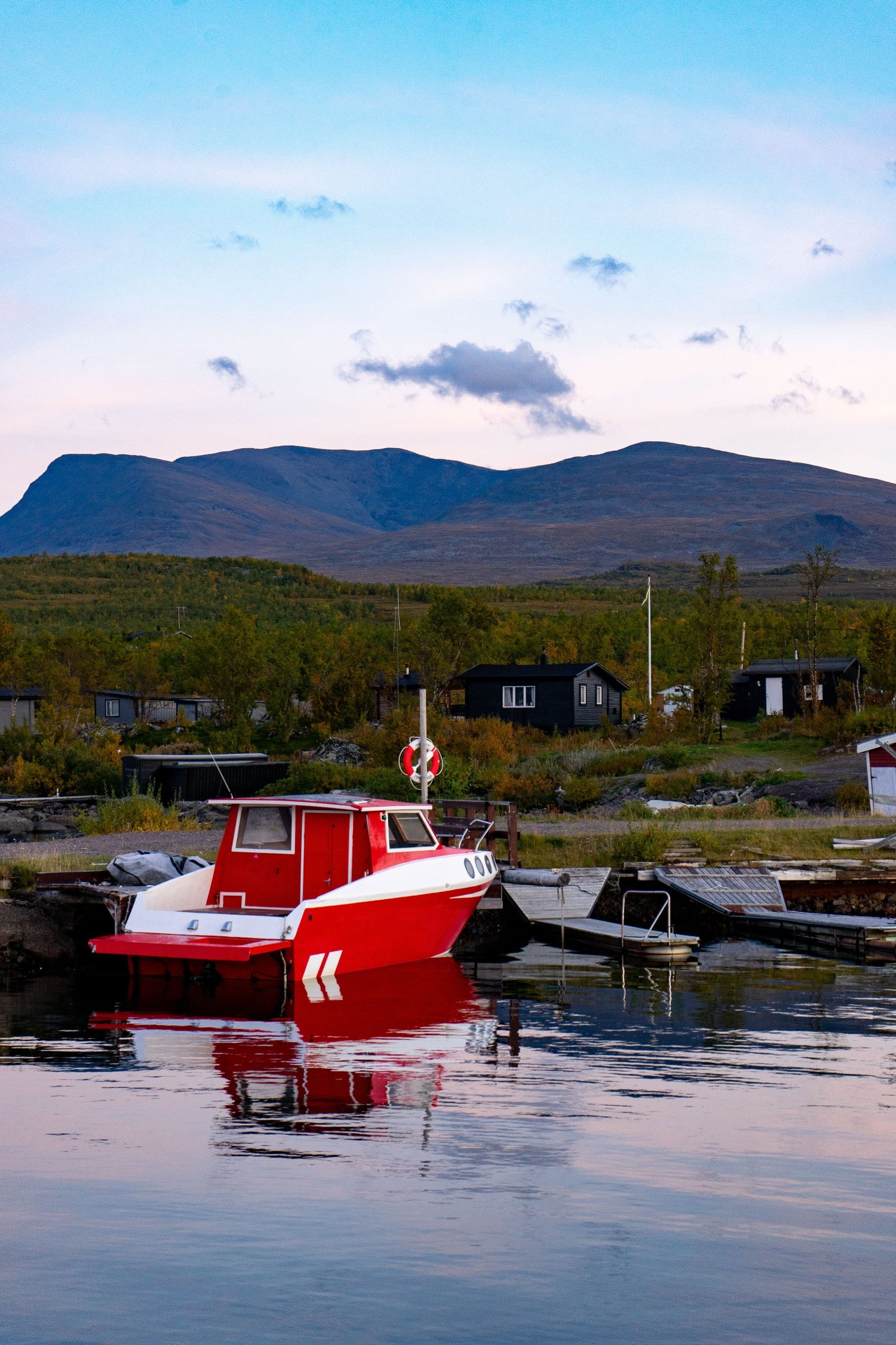
A straightforward guide to licenses, export rules, boat safety and the practical things German anglers should know before traveling to Norway.
Traveling from Germany to fish in Norway
Norway is a popular fishing destination for German anglers, and for good reason: the coastline is long, the fishing is varied and some areas can feel relatively quiet even during the summer season. German visitors arrive in different ways: some travel by car and may bring their own boat on a trailer, while others fly to Norway and rent a boat locally through a fishing camp.
A little planning before you leave Germany saves time and avoids common misunderstandings. The rules that catch visitors out are rarely about the fishing itself — they are about licenses, export quotas and the practicalities of taking fish home.
Licenses and permissions
Recreational sea fishing from a boat or the shore is widely accessible in Norway, and foreign tourists may use handheld fishing tackle such as rods and hand lines. Foreign tourists are limited to handheld fishing gear and may not use nets, pots, traps, longlines or similar fishing gear. Even so, you must follow minimum-size rules, protected-species rules, local restrictions and current fishing regulations, and the catch may not be sold.
Freshwater fishing usually requires permission or a fishing permit from the local holder of fishing rights. Anglers aged 18 or older fishing for salmon, sea trout or anadromous Arctic char in rivers and lakes must pay the national fishing fee in addition to obtaining any required local permission. Anadromous fish migrate between freshwater and the sea. The national fishing fee is not required for fishing with a rod or hand line in the sea, but species restrictions, seasons and local rules still apply. Check the rules for the specific water before fishing.
Taking fish home: the 2026 export rules
The following quota rules concern tourists taking home their own catch of marine fish covered by Norway’s tourist-fishing export regulations.
Many German anglers want to bring some of their catch home, and this is where the rules are most often misunderstood. In 2026, only tourists aged 12 or older who have fished through a registered tourist fishing business may export fish from Norway. The export quota is 15 kg of fish or fish products and may be used up to twice per calendar year.
The tourist must also carry individual documentation from the registered tourist fishing business confirming that the fishing took place through that business. The person named in the documentation must be present when the fish is taken out of Norway. From 1 January 2027, the quota is reduced to 10 kg. Because these rules change, always verify the current requirements with the Norwegian Directorate of Fisheries before you travel home.
From 2026, the registered tourist fishing business must also submit the required catch reporting before export documentation can be issued.
Fish purchased from a registered business is subject to separate documentation rules. Salmon, trout, Arctic char and other freshwater species are not covered by this export quota; separate fishing rules still apply. Check Norwegian Customs for the applicable requirements.
Fishing safely from a boat
Whether you bring your own boat or rent one, safety on the Norwegian coast comes before the fishing. The water is cold year-round, and conditions can change quickly, especially around islands and exposed headlands.
- Make sure there is suitable personal flotation equipment for everyone on board. In recreational boats under 8 meters, people who are outdoors must wear a suitable personal flotation device while the boat is underway. Wearing one throughout the trip is a sensible safety precaution, especially when fishing from an open boat.
- Check the marine forecast before you set out and be ready to change your plans.
- Tell someone on shore where you are going and when you expect to return.
- Keep a respectful distance from aquaculture facilities, other boats and fixed gear.
- Do not fish within 100 meters of an aquaculture facility. Boat traffic must also stay at least 20 meters away from the facility and its mooring equipment.
- Make sure your boat has enough fuel for the round trip plus a margin.
Do you need a boating license?
For Norwegian recreational boats under 15 meters, anyone born on or after January 1, 1980, needs a boating license or recognized equivalent if the boat is longer than 8 meters or has an engine producing more than 25 HP. Larger boats and high-speed craft have additional requirements. Before renting, confirm that your German qualification is valid for the specific boat and waters with the Norwegian Maritime Authority, and check the rental company’s conditions. If you bring your own boat from Germany, verify the requirements applicable to its flag, size and speed rather than assuming the Norwegian rental-boat rules cover your situation.
Practical things German anglers often ask
A few questions come up again and again from German visitors. Norway is not part of the EU, and fish taken out of Norway must follow Norwegian export rules as well as any customs requirements that apply when you enter your destination country. Norwegian Customs also requires goods valued above NOK 5,000 per person to be declared when leaving Norway. This applies to fish and fish products as well, so check the current customs rules if the value of what you are taking home may exceed this amount. Norwegian tap water is generally safe to drink, and basic supplies are available in many towns and fishing areas. Availability of specialized fishing gear and bait varies, so check what is available locally before relying on buying everything after arrival.
If you are traveling in July or early August, it is wise to book accommodation and boats early because popular fishing areas can fill up. June and late August can also be good periods to consider, depending on the area, weather and the type of fishing you are planning.
Fishing regulations, export quotas, customs rules and license requirements can change by species, location, season and year. Always check current information from the Norwegian Directorate of Fisheries, the Norwegian Environment Agency and the local fishing-rights holder before fishing and before traveling home.
Keep reading
- Fishing Around Tustna and Aure
- Taking Fish Home from Norway: 2026 Export Rules for Tourists
- Freshwater Fishing in Norway: Licenses, Local Rules and What Visitors Need to Know
- Salmon Fishing in Norway: Rules for Salmon, Sea Trout and Arctic Char
- Boat Fishing Safety in Norway: Rules and Tips for Visitors
- Fishing in Norway: 13 Mistakes Visitors Should Avoid