Boat Fishing Safety in Norway: Rules and Tips for Visitors
Fishing in Norway · 11 min read
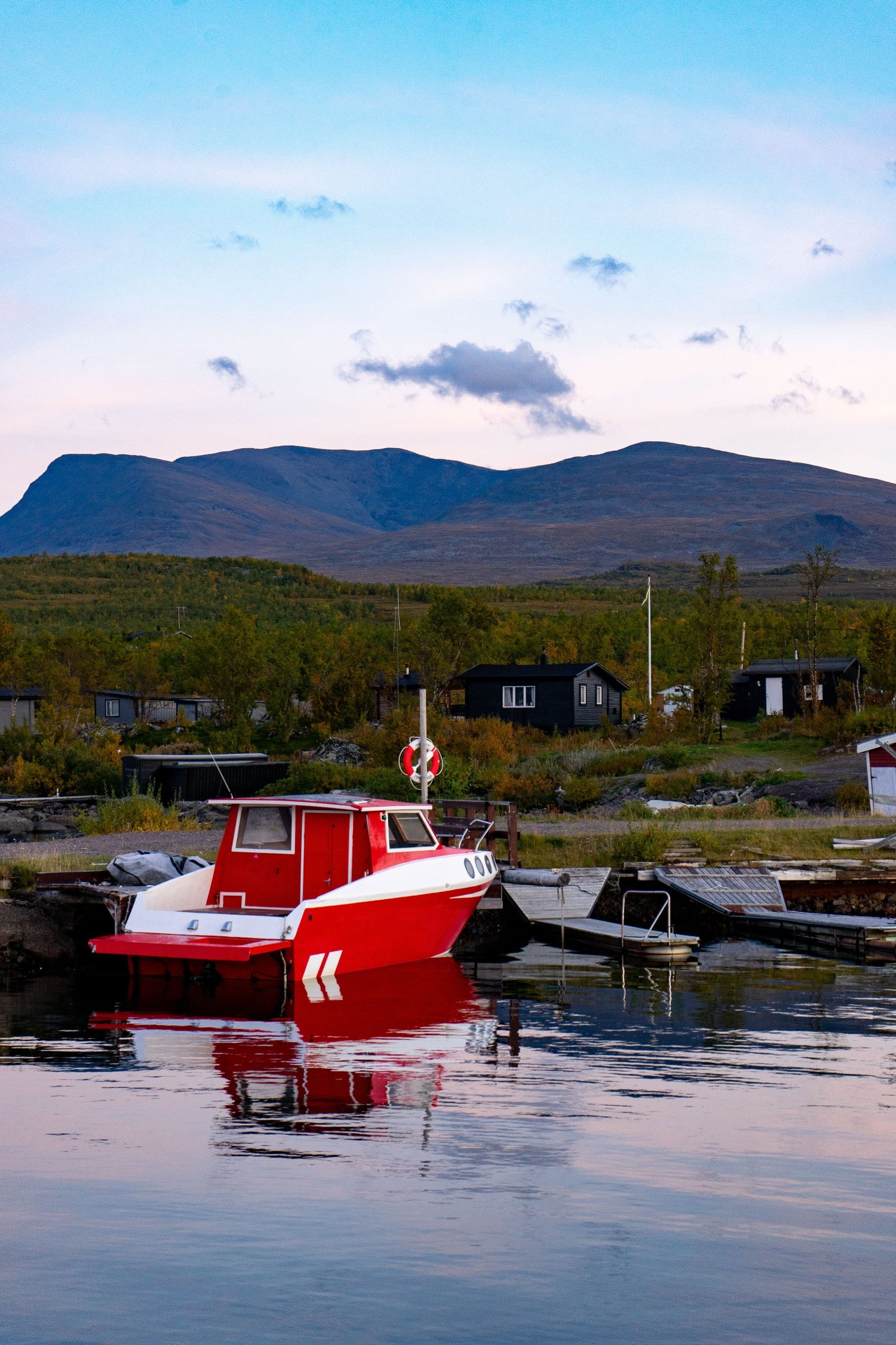
Fishing from a small boat is one of the best ways to experience the Norwegian coast. Sheltered sounds, islands and open water can all sit within a short distance of each other, and a few hours on the water can turn into the most memorable part of a trip.
It is also an activity that asks for a little preparation. Norwegian coastal waters can change quickly, the water is cold, and wind and waves can make even a short fishing trip more demanding than expected. Preparation starts with suitable flotation equipment, a marine forecast, enough fuel and an operator who knows the boat and its limits. This guide explains key rules and practical precautions for visitors renting or operating a small recreational fishing boat in Norway.
Why boat safety matters in Norway
The Norwegian coast is beautiful, and much of it is well suited to small-boat fishing. But the same coastline that makes the fishing so good also means conditions can shift faster than many visitors expect. A calm morning can turn into a windy afternoon, and a sheltered sound can open onto exposed water within a few hundred meters.
Cold water, wind, waves and exposed areas all add up. Even a short trip can become more demanding than it looked at the dock. None of this is a reason to be nervous — it is a reason to prepare.
Wear a life jacket
Suitable personal flotation equipment must be available for everyone on board a recreational boat.
In recreational boats under 8 meters, anyone who is outdoors must wear a suitable personal flotation device while the boat is underway. The Norwegian Maritime Authority recommends continuing to wear flotation equipment even when the boat is stationary, including while fishing.
In recreational boats of 8 meters or more, suitable flotation equipment must be available for everyone on board. Make sure the equipment fits the person properly and is suitable for the activity. Children need correctly sized equipment, and the boat operator is responsible for ensuring that children under 15 comply with the flotation-device requirements.
Check the marine forecast before leaving
Before you set out, check the wind, waves and weather for the actual area you plan to fish — not just the general forecast for the nearest town. Conditions on the water can be very different from conditions on land, and a pleasant day in a village can hide a gusty, choppy sea just around the headland.
Yr is one of the most useful weather services in Norway, and official marine forecasts give a clearer picture of wind and wave conditions along the coast. Use them together, and look at the forecast for the hours you will actually be on the water, not only the moment you leave.
Conditions can be very different around headlands, islands and exposed coastal areas. A stretch of water that is sheltered inside an island can be rough on the outside of the same island, and wind against tide can build up a short, uncomfortable sea quickly. If the forecast looks marginal, treat that as useful information rather than a challenge to push through.
Tell someone where you are going
Before you leave, tell someone on shore the basics of your plan. It does not need to be complicated — a short message is enough. Let them know:
- where you plan to fish
- roughly when you expect to return
- what boat you are using
If your plans change during the day, a quick update is worth sending. The point is simple: if nobody knows where you are or when you should be back, a small problem can go unnoticed for much longer than it needs to.
Know the boat before you leave
If you are renting a boat, take the time to understand it before you cast off. A proper briefing from the rental company or fishing camp is worth asking for, and a responsible operator will normally be happy to give you one. Before you leave the dock, you should understand:
- how to start and stop the engine
- steering and controls
- the fuel level and how to check it
- where the emergency equipment is kept
- how to use any navigation equipment provided
- how to contact the rental company or fishing camp if something goes wrong
- the boat’s passenger and load limits
- how to use the engine cut-off device or kill cord, if fitted
- how to use the boarding ladder and recover someone from the water
- the operator’s permitted fishing area and weather limits
Do not be embarrassed to ask questions. It is much better to ask a basic question at the dock than to work out how to restart a stalled engine for the first time while drifting toward rocks. A few minutes of briefing is a small price for a much more relaxed day on the water.
Use the engine cut-off device according to the manufacturer’s instructions. Ask the operator to demonstrate it before departure.
Do you need a boating license?
For Norwegian recreational boats under 15 meters, operators born on or after January 1, 1980, need a boating license if the boat is longer than 8 meters or its engine exceeds 25 hp. Either threshold can trigger the requirement.
Operators born before that date are exempt from this particular boating-license requirement, but they still need the knowledge and skills to operate safely. Separate qualification requirements apply to boats 15 meters or longer and to recreational craft capable of 50 knots or more.
Foreign qualifications must meet Norway’s recognition requirements. An International Certificate of Competence (ICC) must cover coastal navigation to be valid in Norway. Before booking, check the Norwegian Maritime Authority’s guidance and confirm the rental company’s age, qualification and experience requirements. Additional restrictions apply to operators under 16.
Fuel and range
Carry enough fuel for the planned trip plus a reasonable safety margin. Running out of fuel on the water is more than an inconvenience — it leaves you drifting with no control over where you end up, and a long, slow tow back can turn a good day into a long one.
Fuel use changes with speed, load, waves and current. Ask the rental company to help you plan the route, fuel reserve and turnaround point for that specific boat. Check the fuel level before departure and during the trip, and allow for a slower or longer return if conditions change.
Do not rely only on your phone
A charged phone is useful, but mobile coverage can be limited in some coastal areas, and a phone that has run out of battery or lost signal is no help at all. Treat your phone as one tool among several, not as your only plan. Keep the charged phone accessible in a waterproof case.
Marine VHF can contact the coast radio service and nearby vessels. Routine operation requires an appropriate operator certificate, such as an SRC, and the radio installation must be properly licensed. Ask the rental company to explain the equipment and confirm the applicable requirements before departure. In a genuine distress situation, do not delay calling for help because you lack a radio certificate.
How to call for help at sea
If people or the boat are in immediate danger, call 112 by phone or use VHF channel 16. If a DSC-equipped radio is available, know how to send a distress alert and follow it with a voice call on channel 16.
Give your position, the boat’s name or description, the nature of the emergency and the number of people on board. Know how to find your coordinates on the navigation equipment before departure. Contact rescue services promptly when needed; calling the rental company is not a substitute for raising an emergency alarm.
Cold water is a serious risk
Falling into cold water can trigger involuntary gasping and rapid breathing, and your ability to swim or help yourself can deteriorate quickly. This can happen before hypothermia develops.
Wear a properly fitted life jacket and choose clothing and protective equipment for the conditions. Ordinary warm layers should not be treated as reliable protection against cold-water shock. Ask the operator whether specialized protective clothing is appropriate for the trip.
Before leaving, discuss how someone who falls overboard would be located, kept in sight and helped back aboard. Know where the recovery equipment is and how to call for help.
Dress for the water, not only the weather on land
Temperatures on the water can feel much colder than on shore, and wind chill on an open boat can turn a mild day into a cold one quickly. Dress for the conditions you will actually be in, not the conditions you walked out of. A sensible kit usually includes:
- warm layers
- waterproof outer clothing
- suitable footwear
- extra dry clothing when practical
Dry clothing is not a luxury on a small boat. Spray, rain or an accidental soaking can leave you cold and uncomfortable for the rest of the day, and a spare layer in a dry bag is a small thing that makes a real difference.
Stay within your experience level
Be honest with yourself about your experience with small boats. Exposed waters, strong wind and difficult conditions demand more skill and more confidence than a calm, sheltered sound, and a rented boat does not make every area safe to access.
If you are inexperienced, choose a guided trip or an area the rental operator has specifically recommended for your ability and the conditions. Protected water can still contain strong currents, reefs and other hazards. Staying close to shore is not automatically safer: wind can push a boat toward rocks. Keep a safe distance from hazards and remain within the agreed operating area.
Aquaculture facilities and fixed fishing gear
Along the Norwegian coast you will see aquaculture facilities — fish farms — and fixed fishing gear such as nets and lines. Both deserve clear space, and the rules around aquaculture facilities are specific:
- When fishing, keep more than 100 meters from the nearest fish farm.
- Boat traffic must keep at least 20 meters from fish farms and their mooring equipment.
Keep clear of fixed fishing gear and other boats as well. Fixed gear can be hard to see and can be damaged or tangled by a passing boat, and other anglers deserve the same space you would want yourself. When in doubt, give it a wide berth.
Be careful around rocks, shallow water and unfamiliar coastlines
Shallow areas, reefs and underwater rocks may not always be obvious from the surface, and an unfamiliar coastline can hide hazards that local boaters know about and visitors do not. A calm, clear day can make the water look inviting in places that are genuinely dangerous to a boat.
Use appropriate nautical charts and understand the navigation equipment before departure. Ask the rental operator to identify reefs, shallow areas, strong currents and routes to avoid. Keep a lookout, travel at a safe speed and do not assume that a chartplotter replaces local knowledge or navigation skills.
Alcohol and boat safety
Alcohol impairs judgment and reaction time and should not be combined with operating a boat. For recreational craft under 15 meters in Norway, the legal blood alcohol limit for the operator is 0.08% BAC.
The legal limit is a maximum, not a safe drinking allowance. The safest approach is to stay sober while operating the boat and save alcohol for after you are back at the dock.
What to do if conditions worsen
If wind, waves or visibility deteriorate, reassess the route early. Return or seek suitable shelter only if the route is safe for the boat and your ability. Do not press on toward the original dock if doing so would take you into more dangerous water. Contact the operator for local advice, and call for help promptly if the situation is becoming unsafe.
Act early rather than waiting until conditions become difficult.
Fishing with children
Children need properly fitting flotation equipment and close supervision on a boat, every time. A life jacket that is too large can slip off or fail to support a child properly, so make sure the equipment is the right size and is worn correctly.
Keep the trip realistic for the child as well as the weather — shorter trips in calmer water are usually better, and a child who is warm, comfortable and engaged will enjoy the day far more than one who is cold and tired. Always follow the current flotation-device requirements for children and make sure the equipment fits correctly. The practical approach is to supervise closely, dress children well, and keep the trip within conditions you are confident managing.
A simple safety checklist before departure
A short list to run through before you leave the dock:
- check the weather and marine forecast
- wear suitable flotation equipment
- know how to operate the boat
- check fuel
- tell someone where you are going
- carry a charged phone
- understand the safety equipment provided
- dress for cold and wet conditions
- stay clear of aquaculture facilities and fixed gear
- return early if conditions worsen
- confirm operator qualifications and rental requirements
- check passenger and load limits
- check the engine cut-off device, if fitted
- know the safe operating area and navigation hazards
- know how to call 112 or use VHF channel 16
- know how to recover someone from the water
Allow enough time for these checks and the rental briefing. If the boat, equipment or conditions exceed your ability, postpone the trip or go with a qualified guide.
Before you head out
A good fishing trip starts with a boat and conditions you can manage. Wear your life jacket, understand the equipment, plan your route and fuel reserve, and know how to call for help. Be ready to change or cancel the plan when conditions demand it.
This guide covers general precautions for small recreational fishing boats. Check current official requirements, local conditions and the rental operator’s restrictions before departure. Last reviewed: September 2026.
Keep reading
- Fishing Around Tustna and Aure
- Fishing in Norway for German Visitors
- Taking Fish Home from Norway: 2026 Export Rules for Tourists
- Freshwater Fishing in Norway: Licenses, Local Rules and What Visitors Need to Know
- Salmon Fishing in Norway: Rules for Salmon, Sea Trout and Arctic Char
- Fishing in Norway: 13 Mistakes Visitors Should Avoid