Working in Remote Norway: What Life and Work Are Really Like Outside the Cities
Working in Norway · 11 min read
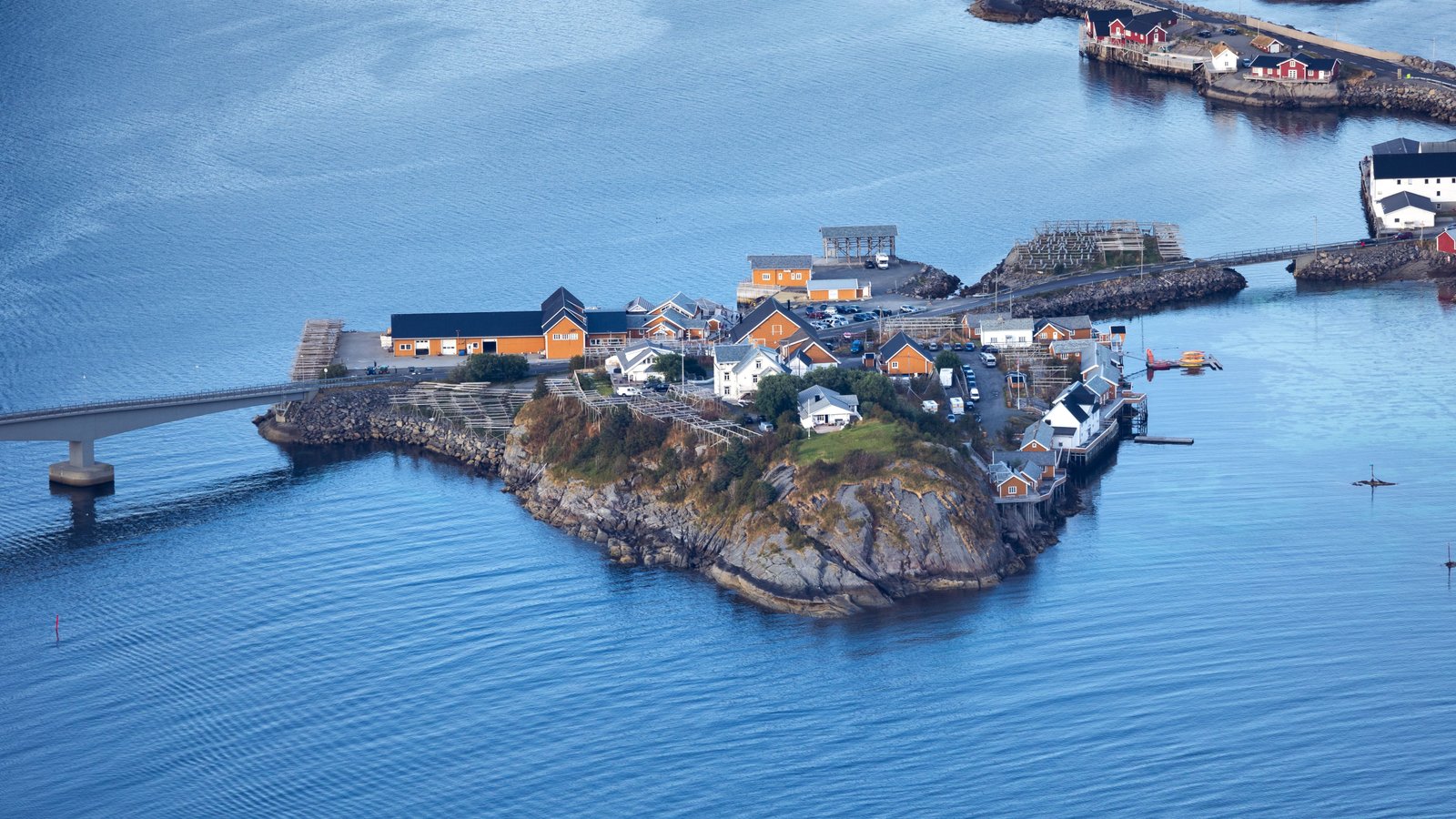
When people think about working in Norway, they often picture Oslo, Bergen or another large city. But a surprising amount of work happens far away from those places — on islands, along the coast, in small towns, fishing communities, mountain areas and rural municipalities.
These jobs can be interesting, but they also come with practical realities that are easy to underestimate from a distance. Working in remote Norway is not just about the job itself. The location shapes almost everything: how you get to work, where you live, how often you see other people, what winter feels like, and whether everyday life is actually practical.
From living in Norway and running a business here, I have seen how often applicants focus on the job title and salary but barely look at the location. In remote Norway, that can be a serious mistake.
What “remote Norway” really means
Remote does not necessarily mean isolated wilderness. Plenty of places that count as remote in Norway are small, lived-in communities with schools, shops and everyday life — they are just far from the big cities and often take longer to reach than a map suggests.
Working in Norway outside the cities can mean any of the following:
- Island communities linked to the mainland by ferry or bridge.
- Coastal villages along long stretches of shoreline.
- Small municipalities with only a few thousand residents.
- Mountain towns and inland valleys.
- Places connected by ferry rather than road.
- Areas with limited public transport, especially outside working hours.
Some of these places may look close on a map but feel much farther away in daily life. A short distance in kilometers can become a long journey when a ferry, a narrow road or winter conditions are part of the route. That is the difference between a map and a timetable, and it is one of the first things to understand about jobs in rural Norway.
Why employers in remote areas can struggle to recruit
It can seem surprising that some employers in coastal Norway and small inland communities still struggle to recruit when so many people are interested in working in Norway. But once you have spent time in these places, the reasons become fairly clear.
The local labor pool is often small. In some smaller communities, employers may need to recruit from outside the immediate area. Transport limits who can commute from nearby towns. Housing can be scarce. Demand is often seasonal, peaking sharply for a few months. And attracting workers from the cities is hard when the city offers more services, more social life and an easier daily routine.
The job may be simple — getting there may not be
A role can be straightforward and still be difficult to reach. In remote Norway, the journey to work is part of the job, and it is rarely as simple as jumping on a metro line.
Ferries link islands and coastal communities, and they run on fixed timetables, not on your schedule. Drives can be long on narrow roads. Bus services can be limited, particularly in the evenings and on weekends. Bad weather can occasionally disrupt ferries and mountain roads, which is worth considering when planning a daily commute. And the nearest airport may be several hours away, which matters when you are traveling to or from the job.
A job that looks only 20 or 30 kilometers away can become complicated if part of the journey depends on a ferry timetable or if there is no public transport after an evening shift.
Do you need a car?
There is no single answer. In some remote areas a car can be almost essential, especially where housing is spread out and public transport is limited. In others, staff housing is close enough to the workplace that walking or cycling is realistic, and a car becomes a convenience rather than a necessity.
Rather than assuming one way or the other, it helps to ask the employer directly before you accept. Useful questions include:
- How far is the housing from work?
- Is public transport available, and at what times?
- What happens on weekends and outside working hours?
- Does the employer help with transport?
- Is a driver’s license important for the role?
The answers tell you whether a car is a practical need or just a bonus. In some coastal and island jobs, staff live on site or a short walk away, and a car matters very little. In more spread-out areas, not having a car can make the job difficult to keep.
Housing can decide whether the job works
If there is one section to take seriously in this article, it is this one. In remote Norway, housing can decide whether a job offer is realistic, regardless of how good the role itself looks.
Housing outside the cities can look very different from the rental market in Oslo or Bergen. Some employers offer staff accommodation or employer-owned housing, while in other small communities the private rental supply can be extremely limited. A village with a few hundred residents may simply not have spare apartments, and what exists may be tied to the employer or the season.
Things to clarify before you say yes:
- Is staff accommodation provided, and is it free or deducted from your pay?
- Is the housing private, shared or dormitory-style?
- Are utilities such as electricity, water and internet included?
- What deposit is required, and what are the terms?
- How far is the housing from the workplace?
- Is the housing available for the whole contract, or only part of the season?
A good job offer can quickly become a bad practical arrangement if the housing is expensive, far away or only available for part of the season. Look at the rent, the distance and the dates together, not just the salary.
Life in a small community
Working in a small Norwegian community is not only about the job. It is also about the kind of everyday life that comes with it, and that side suits some people much better than others.
Small communities can feel quiet, personal and close-knit. People know each other, and social life is often close and informal. For many, that closeness is exactly what they are looking for.
The same closeness has another side. There are fewer shops, fewer restaurants, less nightlife and fewer services. There is also less anonymity — in a small place, people notice who comes and goes, and that takes getting used to if you are used to a city.
Some people love this immediately. Others discover that they miss the convenience and anonymity of a city more than they expected. Neither reaction is wrong, but it is worth being honest with yourself about which one is more likely before you move.
Winter changes everything
If you visit a coastal village in summer, it is easy to form an impression that has very little to do with how the same place feels in winter. Winter in remote Norway is not dramatic in the way people imagine — it is more that it quietly changes the conditions of daily life.
Winter daylight can be very limited, especially farther north. Snow and ice affect roads, paths and parking. Ferries can be delayed or canceled by weather. Road conditions change quickly, especially on exposed coastal and mountain routes. And after work, the outdoor options that felt easy in summer — a walk, a swim, sitting outside — become less available or need more planning.
A place that feels easy and open in July can feel completely different in January. Winter can be genuinely beautiful, with clear cold days and snow on the mountains, but it is also more demanding. If you have never lived through a northern winter, it is worth taking that seriously rather than assuming you will simply adjust.
Language in remote areas
English may work in some workplaces, especially in tourism, production and businesses used to international staff. In smaller communities, Norwegian can also become more important in everyday life than a job advertisement alone might suggest.
Local customers, older residents, social life and day-to-day workplace communication often happen in Norwegian. You can get by without it in some roles, but the less Norwegian you speak, the more you may feel like a visitor in a place where everyone else is at home.
In smaller remote communities and on islands, some older residents may not feel comfortable speaking English. This matters especially in jobs involving direct contact with elderly people, such as elderly care or nursing homes, where stronger Norwegian skills may be needed for clear communication, safety and trust.
Even basic Norwegian can make everyday life easier, help you connect with the community and influence how settled you feel there.
What types of jobs exist?
The range of work in remote Norway is broader than many applicants assume. Common examples include:
- Tourism — hotels, cabins, campsites and activity providers.
- Hotels and accommodation — housekeeping, reception and breakfast service.
- Cabins and mountain lodges — maintenance, cleaning and guest services.
- Fish processing and seafood-related work in coastal plants.
- Aquaculture-related roles at sites along the coast.
- Construction, maintenance and practical trades.
- Transport, driving and logistics.
- Agriculture and seasonal farm work.
- Local services such as shops, schools and municipal work.
Some jobs in healthcare, schools and municipal services may require Norwegian-language skills, specific qualifications or professional authorization. Always check the requirements in the vacancy and with the responsible Norwegian authority. Not every region has all of these. The mix depends on whether the area is coastal, inland, mountainous or agricultural, and on the season. Treat this as a map of possibilities, not a guarantee — then check what actually exists in the specific place you are considering.
Small businesses often expect flexibility
Many employers in remote Norway are small. A hotel, a cabin park or a local service business may have only a handful of staff, and in a workplace that size, roles naturally overlap.
Someone hired for housekeeping may also help with breakfast, laundry, guest questions or simple maintenance. A maintenance worker may end up driving guests or helping in the kitchen when things are busy. In a small workplace, roles can naturally overlap because there are fewer people available to divide every task into separate positions.
In a small business, being useful in several different ways can matter more than having a very narrow job description. If you are flexible and willing to help where needed, that flexibility can be valuable alongside your formal experience.
What employers notice
From what I have seen as a business owner in coastal Norway, one practical concern comes up repeatedly: whether an applicant has really thought through the location, transport and everyday realities of the job. A remote location makes that worry sharper, because a no-show or an early departure is harder to recover from when there are few spare workers around.
If you apply for a job in a remote place and clearly show that you have looked at the map, checked transport and thought about housing, the application can feel much more considered and realistic. Mentioning the ferry, the nearest town or how you would get there tells the employer you have thought about whether the job is realistic for you, not just whether you want it.
Employers often worry about whether someone will arrive, stay and adapt — not only whether they can do the job. A few practical details in your application can show that you understand what relocating to the area would actually involve.
Before accepting a job, confirm that you are legally permitted to work in Norway, obtain and read a written employment contract, and check the tax-card and identification requirements that apply to you. Use UDI, the Norwegian Labour Inspection Authority and the Norwegian Tax Administration as the official sources.
Before you say yes
A practical checklist to run through before accepting a job in a remote area:
- Look at the location on a map.
- Check ferry and transport options.
- Ask about housing.
- Ask what housing costs.
- Check the distance from housing to work.
- Find out whether a car is needed.
- Check the nearest supermarket and essential services.
- Confirm the working hours.
- Ask how winter affects transport.
- Understand how long the contract lasts.
The upside of remote work
This article has spent a lot of time on the difficulties, because those are what applicants most often underestimate. But there is a real upside, and it is worth saying clearly.
Remote Norway can offer a quieter lifestyle, dramatic nature on your doorstep, close communities, a slower pace that some people prefer, fewer distractions and a strong sense of place. For the right person, that combination can be deeply appealing.
Remote work in Norway can offer a kind of everyday life that is difficult to find in a large city. That does not make it automatically better. It simply suits some people very well — and the people it suits are often the ones who understood what they were signing up for before they arrived.
Who may not enjoy it
It is equally fair to be honest about who remote Norway may not suit. It is not a weakness to recognize this in yourself. You may find it difficult if you need:
- Nightlife and a busy evening scene.
- Frequent social events and large groups.
- A large international community around you.
- Easy, frequent public transport.
- Many shops, restaurants and services nearby.
None of these needs are unreasonable. They simply point toward city life rather than remote work, and knowing that in advance saves a lot of difficulty later.
Final thought
Working in remote Norway can be a good opportunity, but it works best when you understand the location before you accept the job.
The most important questions are often not about the job title. They are about housing, transport, winter, distance and whether the everyday life fits you.
If those pieces make sense, smaller communities can offer work and a way of life that many applicants never think to look for.
Employment, immigration and tax rules can change. Always verify current requirements with the relevant Norwegian authorities. Last reviewed: September 2026.
Keep reading
- Working in Norway: How to Find a Job, Salaries and What Foreigners Need to Know
- Seasonal Jobs in Norway: Summer Work, Winter Jobs and Opportunities for Foreigners
- Offshore Jobs in Norway: Salaries, Rotations and What You Need to Work at Sea
- Jobs in Norway Without Speaking Norwegian: Where to Look and What to Expect
- Salaries in Norway: Average Pay, Taxes and What You Really Take Home