Quiet Places to Visit in Norway Beyond the Famous Fjords
Places to Visit · 8 min read
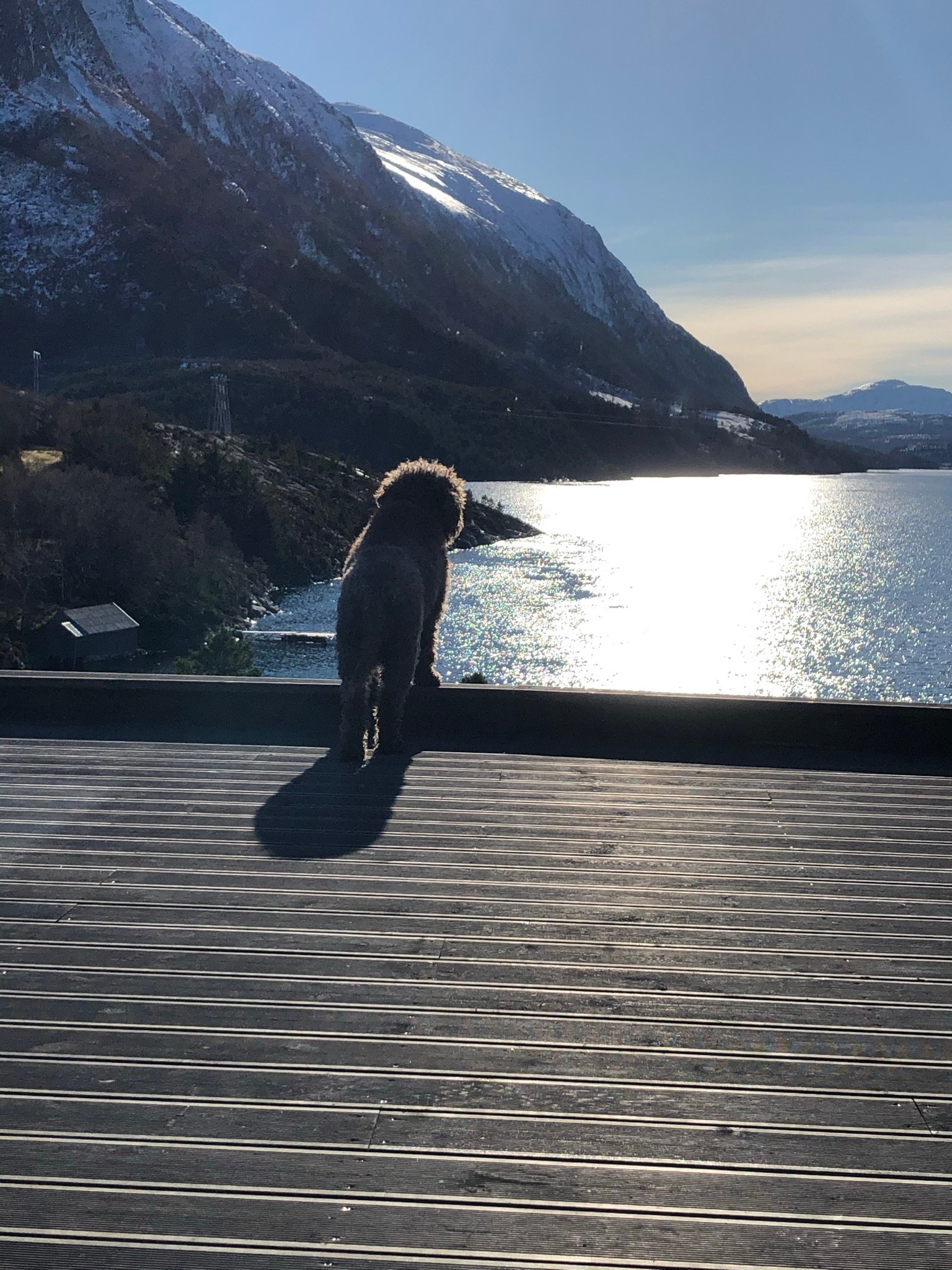
After living in Norway for more than ten years, I have learned that some of the most memorable places are not always the ones that appear first in travel guides. Geirangerfjord and Lofoten are extraordinary, but Norway is a large country with many quieter regions that deserve time of their own. I live in the Tustna area on the coast of Møre og Romsdal, where mountains, islands and small communities are part of everyday life. This guide introduces several quiet places to visit in Norway for travelers who want to look beyond the most famous fjords and experience a slower side of the country.
Why look beyond the highlights
Norway’s famous viewpoints and villages can become busy during the peak summer season. A quieter destination can give you more room to enjoy the landscape, but it also encourages a different kind of trip: fewer stops, less rushing and more time in each place.
You do not have to avoid Norway’s best-known attractions. A good itinerary can combine one or two famous destinations with a quieter region that gives the journey more balance. Those less hurried days often become the part of the trip people remember most.
Senja
Senja, Norway’s second-largest island, lies southwest of Tromsø and combines dramatic mountains, fishing villages, beaches and coastal roads in a relatively compact area. It is a good alternative for travelers who want northern Norwegian scenery without building their entire trip around the busiest parts of Lofoten.
Senja deserves more than a quick stop. Distances may look short on a map, but narrow roads, changing weather and frequent viewpoints can make the journey take longer than expected. Allowing several days gives you time to explore without rushing from one photographed location to the next.
The Helgeland coast
South of Bodø, the Helgeland coast offers islands, mountains, beaches and small coastal communities. Well-known landmarks in the region include Torghatten, the Svartisen glacier and the Norwegian Scenic Route Helgelandskysten.
The journey itself is part of the experience. Several ferry crossings connect different sections of the coastal route, so it is important to check timetables and allow flexibility. This is not the best region for a tightly scheduled trip, but it is ideal for travelers who enjoy slow coastal journeys.
Jæren
Southwest of Stavanger, Jæren looks very different from the steep fjord landscapes that many visitors associate with Norway. Here you will find long sandy beaches, open farmland, wide horizons and constantly changing coastal light.
The area is well suited to scenic drives, walking, cycling and surfing. Some beaches and surrounding landscapes are protected, and local access rules may vary by location or season. Follow signs, park only in designated places and check current local information before planning activities.
Rondane and the inland valleys
Many visitors remain close to Norway’s coast and fjords, but the inland regions offer a very different experience. Rondane became Norway’s first national park in 1962 and is known for open mountain landscapes, marked hiking trails and a quieter atmosphere than many of the country’s most famous destinations.
The nearby valleys of Gudbrandsdalen and Valdres can also serve as useful bases for exploring inland Norway. Mountain weather can change quickly, so check current forecasts and trail conditions before longer hikes.
Tustna and the Aure coast
The Tustna area and the wider Aure coast are places I know personally. Here, mountains rise almost directly from the sea, ferries connect island communities and the roads are generally quieter than those in Norway’s best-known fjord destinations.
Stabblandet is part of the Tustna area in Aure Municipality. It is a good base for travelers who enjoy hiking, coastal scenery, fishing and places that remain closely connected to everyday local life. This is not a destination for racing through a checklist. It is better suited to travelers who want to slow down, watch the weather move across the mountains and spend time near the sea.
A note on traveling considerately
Quieter places stay special when visitors treat them with care. Park only where parking is permitted, take all trash with you and respect homes, farmland and working areas.
Norway’s right to roam provides valuable access to nature, but it also comes with responsibilities. Follow local signs, avoid disturbing animals and remember that small communities are homes first and travel destinations second.
Access, weather, ferry services, trail conditions and local facilities can vary by season. Always check current information for the regions you plan to visit.