Toll Roads and Ferries in Norway: How They Actually Work
Driving in Norway · 8 min read
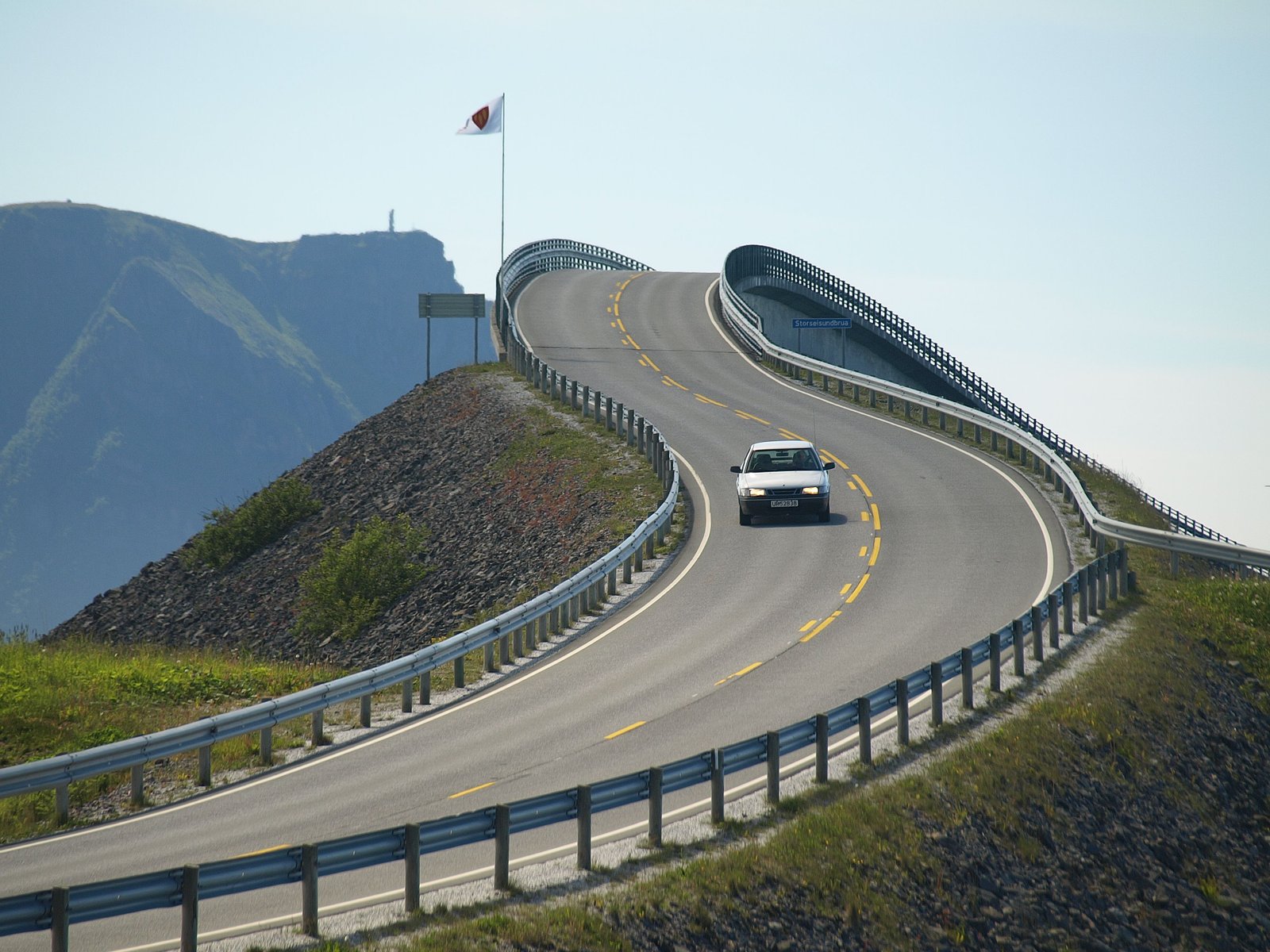
After living in Norway for more than ten years, I have learned that driving here is usually straightforward once you understand two systems that surprise many visitors: automatic toll roads and car ferries that operate as part of the road network. There are normally no toll booths where you stop to pay, and on many coastal routes a ferry crossing is simply another part of the drive. This practical guide explains how toll roads and ferries in Norway work, especially for rental cars and foreign-registered vehicles.
Road rules basics
Norway drives on the right, and approved daytime running lights or low-beam headlights must be used while driving. Speed limits are often lower than visitors expect, and the rules are strictly enforced. Driving distances can also be deceptive: a route that looks short on a map may include narrow roads, tunnels, mountain sections or ferry crossings. Take your time and always adjust your speed to the road, weather and visibility conditions.
Rental cars and toll passes
Norwegian toll stations are automatic, so there is normally nowhere to stop and pay when you pass one. With a rental car, toll charges are usually registered automatically and added to your final bill according to the rental company’s terms. The company may also charge an administration fee, so ask how toll roads and ferries are handled before leaving the rental desk.
If you bring your own foreign-registered vehicle to Norway, remember that foreign vehicles must also pay Norwegian road tolls. You can register the vehicle with Epass24 or sign an AutoPASS agreement with an approved toll service provider. An AutoPASS agreement and toll tag may provide discounts, while Epass24 allows foreign vehicle owners to register vehicle information and manage invoices. Without an agreement, the vehicle’s license plate is normally used to identify the registered owner and send the invoice.
Ferries are part of the road network
On many fjord and coastal routes, car ferries are simply part of the journey. You drive into the correct queue, follow the signs and the crew’s instructions, board the ferry and continue your trip on the other side. Once you have done it once, the process feels quite simple.
Most Norwegian car ferries participate in the AutoPASS for Ferry system. Depending on the route and your payment arrangement, the crossing may be charged through an AutoPASS agreement, an AutoPASS for Ferry prepayment account, FerryPay or an invoice based on the vehicle’s license plate. FerryPay allows travelers without an AutoPASS tag to register a payment card, but it does not provide a discount.
Do you need to book ferries ahead?
For many short road-ferry crossings, you do not reserve a place. You simply join the queue and board the next departure with available capacity. This is how many everyday ferry crossings work, and they often run several times a day.
However, longer crossings, popular tourist routes and ferries with limited departures may require or allow reservations. Summer traffic can also create queues, so check the timetable and booking information for the specific route before traveling. Leave some extra time in your itinerary rather than planning every connection too tightly.
A few habits that make driving easier
Norwegian roads reward patient drivers. These simple habits can make the journey much easier:
- Allow more time than the map suggests. Fjords, ferries, narrow roads and mountain sections can make a short distance take longer than expected.
- Keep approved daytime running lights or low-beam headlights on while driving.
- Respect posted speed limits. Enforcement is strict and fines can be high.
- Watch for sheep, reindeer and other animals on or beside rural roads. Slow down and give them plenty of space.
- Check road and weather conditions before crossing mountain areas.
- Do not let the fuel tank or battery become too low in remote areas, where fuel stations and charging points may be far apart.
- Avoid planning an important connection immediately after a ferry arrival, because queues, weather and seasonal traffic can cause delays.
Toll rates, ferry prices, timetables, discounts and booking rules can change. Always check current information for your vehicle and the routes you plan to use before traveling.