Adjusting to Life in Norway: Language, Social Customs, and Feeling at Home
Scandinavian Living · 8 min read
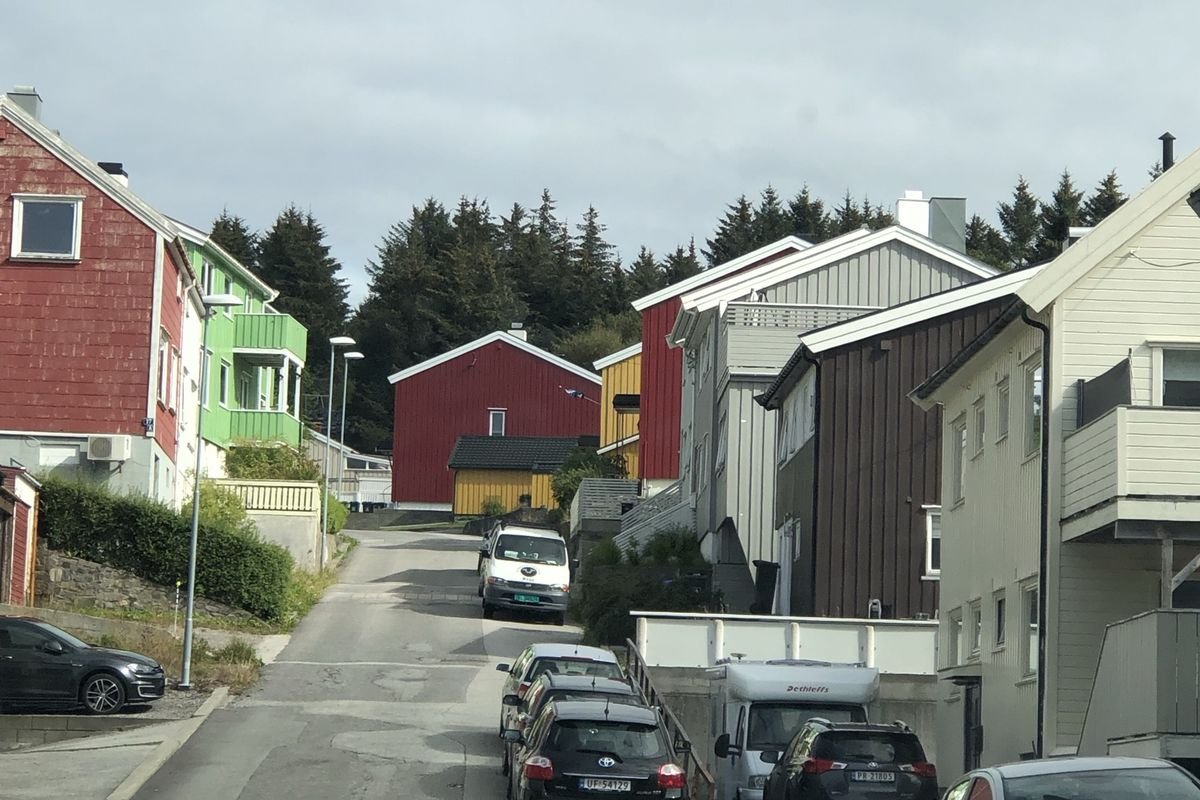
Adapting to life in Norway is rarely one big moment. For me, it has been a slow accumulation of small ones — learning enough Norwegian to handle an everyday errand, understanding why a birthday invitation matters more than it first appears, and gradually feeling like someone who belongs here rather than someone just visiting.
I am Brazilian, and I have lived in Norway for about ten years. Adjusting has meant learning the language, understanding social customs that were unfamiliar to me, and building relationships at a pace that took patience. It has also meant being willing to change some habits and adjust my expectations, because Norway does not work exactly like the country I came from. My experience is mine, and yours will be different, but I want to share what helped me feel at home — and what I am still figuring out.
Learning Norwegian while accepting mistakes
I still make mistakes in Norwegian. Some letters and sounds are genuinely difficult for me because they sound different from the sounds I am used to in Portuguese, and after ten years there are still words I do not know. I have accepted that I will keep learning, and that I will not always get it right.
A sentence with the wrong ending still gets the point across. A pause to find a word still lets the conversation continue. If you need a little more time, you can ask someone to repeat a word or speak more slowly.
English can help in many situations, but Norwegian remains useful for work, services, and everyday conversations. Learning the language opens doors that English alone will not, and it shows that you are making an effort to take part.
A useful approach is to start speaking before you feel ready. You will make mistakes, and that is part of how the language settles in.
Understanding social expectations, starting with punctuality
I believe that living in another country means making an effort to understand and respect its rules and customs. That does not mean agreeing with every one of them, or pretending they all feel natural. It means taking them seriously enough to learn how things work, and adjusting where you can.
Punctuality is one example that surprised me. In Brazil, arriving at a party did not always mean arriving at the exact starting time on the invitation. At some birthday celebrations I have attended in Norway, though, there was a planned program, so arriving late could mean interrupting it.
I am not saying every Norwegian celebration runs on a strict schedule, or that every Brazilian arrives late. These are my experiences, not rules for two whole countries. But the practical lesson was useful: check the invitation, ask the host if you are unsure, and if you are running late, send a message. Respecting a custom means putting that understanding into practice, even when your previous habits were different.
Getting used to celebrations that feel different
Some Norwegian birthday celebrations involve more speeches than I was used to, and longer ones. I was surprised by how many people stood up to talk, and for how long.
I will be honest: I still find long speeches a little boring, especially when an evening ends without music or dancing. Understanding a custom does not mean you have to enjoy every part of it. I respect the tradition, even when it is not my favorite part.
Not every celebration here is the same, of course. Some are lively and informal, some are structured and quiet. The point is that feeling at home somewhere often means making peace with the parts that are not your favorite, not forcing yourself to love everything.
Building relationships and recognizing small signs of trust
Making friends in Norway is a topic that gets oversimplified. Norwegians are not cold, and there is no formula that guarantees friendship. Relationships here, like anywhere, take time and shared context.
If you are looking for ways to meet people, a regular activity can give you opportunities to see the same people over time. Following through on invitations and allowing relationships time to develop are practical approaches to consider.
Belonging can also grow through contribution. If you are also thinking about finding work in Norway, contributing what you know is often part of how a place starts to feel like yours. A local school once invited my husband and me to give talks about entrepreneurship to students. I saw that as a sign that people trusted us and valued what we could share.
That invitation mattered to me. It made me feel that what we had built and learned was something worth sharing.
Keeping your roots while making room for a different life
I still prepare Brazilian food when my husband’s friends visit. That is a part of my life I enjoy sharing. But keeping a connection to Brazil is different from expecting Norway to feel like Brazil. In my experience, constantly measuring life here against life back home can make it harder to appreciate what is in front of you.
Missing home is natural. Still, building a life in another country asks something of us too: a willingness to change some habits, understand different expectations, and give the place where we live a real chance. You can value your roots while recognizing that Norway will not work exactly like your home country, and that continually comparing everything unfavorably can make it harder to feel settled.
Keeping meaningful traditions can coexist with adapting. Sharing those dishes is one of the ways I stay connected to where I come from, and it has become a small way to connect with people here too — but it sits alongside the effort to understand and take part in everyday life in Norway, not instead of it.
Practical ways to make everyday life feel more familiar
If you are early in the process, here are a few suggestions that may be worth trying:
- Start using Norwegian in small, low-stakes situations — at the shop, in a short message — before you feel ready.
- Treat invitations as meaningful. If you say yes, show up; if you cannot, say so early.
- Join one regular activity where you see the same people over time, and give it more than a couple of weeks.
- Ask when you are unsure. Most people would rather answer a question than watch you guess wrong.
- Take the darker months seriously. If the long autumn evenings weigh on you, you are not the only one — finding comfort in the dark Nordic autumn is something I have written about honestly.
- Keep a meaningful piece of your own culture in everyday life — a recipe, a habit, a way of celebrating — while staying open to changing other habits that help you take part in life here.
None of these is a guarantee. They are small, repeatable choices that, over time, can help everyday life feel more familiar.
A gradual sense of home
Adaptation is gradual, and it does not have a clean finish line. I feel at home in Norway now, and there are still customs that feel unfamiliar, still words I reach for and do not find. Both of those things can be true at the same time.
Feeling at home did not mean leaving my roots behind, or pretending Norway was just like the place I came from. It came from being willing to change some habits, learning the language, understanding the people around me, and taking part in everyday life here — slowly, imperfectly, and one small step at a time.
Frequently asked questions
Is it hard to adjust to life in Norway?
It can be, but “hard” depends a lot on you — your language, your expectations, and how much everyday life you take part in. The language and the social rhythms take time to get used to. Adjustment can happen gradually, and the experience varies depending on your circumstances, language skills, and opportunities to connect with people.
Do you need to speak Norwegian to feel at home?
You can get by with English in many situations, but not all of them. Learning Norwegian, even imperfectly, opens up everyday life and signals that you are making an effort. Feeling at home is easier when you understand more of what is happening around you.
Can you adapt to Norwegian culture without losing your own identity?
Maintaining your roots and changing some habits can happen together. Adapting means understanding and respecting local customs, and putting that understanding into practice — even when your previous habits were different. Keeping your own traditions, food and language can sit alongside that effort, but adapting also asks a willingness to adjust expectations and give the place where you live a real chance.
A personal account of adapting to life in Norway. Experiences vary from person to person and across the country. Last reviewed: October 2026.