Where to Stay in Norway: Cozy Cabins, Coastal Retreats and Hotels
Where to Stay · 8 min read
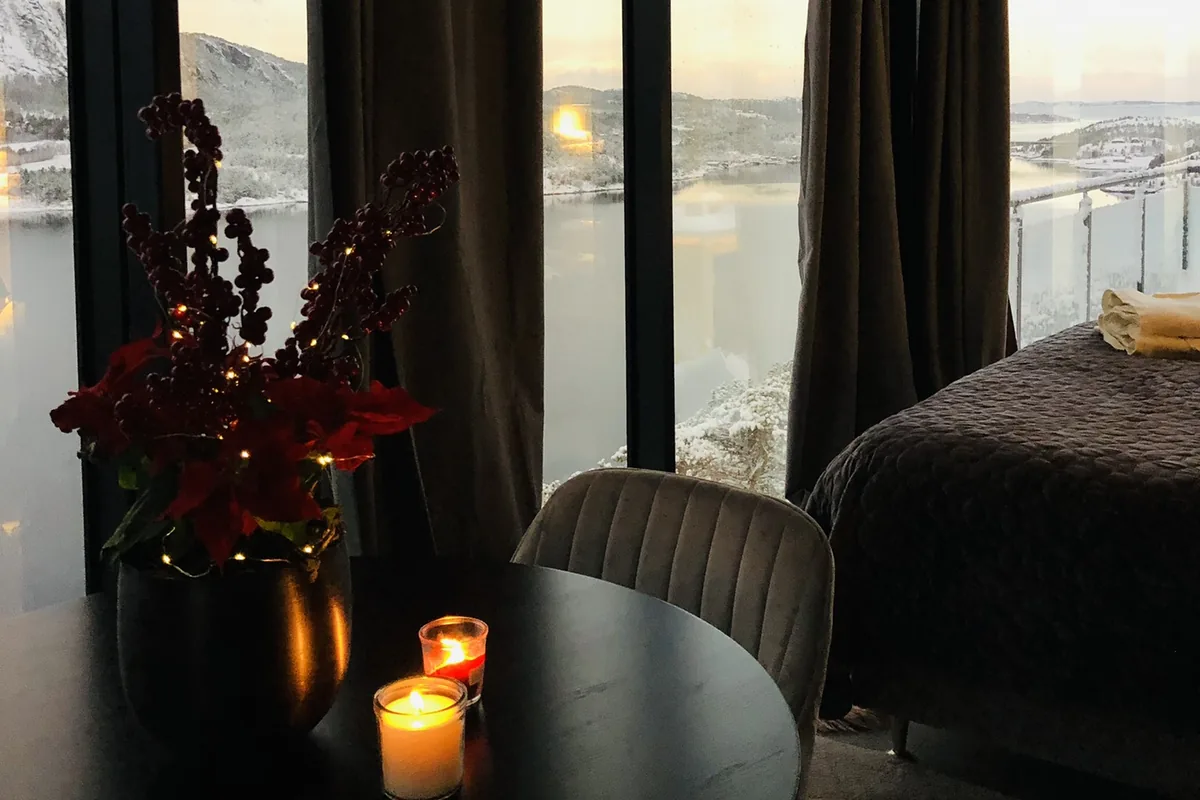
After living in Norway for more than ten years, I have seen how the right accommodation can shape a trip just as much as the places you visit. Hotels are convenient, cabins give you more independence, and some of the most memorable stays are the ones that become part of the experience themselves — a cabin by the sea, a lighthouse, a rorbu or a quiet place surrounded by nature. Choosing the right location and the right type of accommodation early on makes the whole journey feel calmer and more enjoyable.
Choose your base before your property
Before you scroll through listings, it helps to decide roughly where you want to base yourself. In a country as long as Norway, the right base matters more than the right room.
Cities and transport hubs such as Oslo, Bergen and Trondheim are convenient if you are traveling without a car or want trains, buses and ferries close at hand. You can arrive, settle in and reach most things on foot or by public transport.
Cabins work well for slower road trips, couples, families and anyone who wants to cook their own meals and spread out a little. They let you stay in one place for a few nights and explore the surrounding area without packing up each morning.
One habit I always recommend: avoid changing accommodation every single night. Distances in Norway are longer than the map suggests, ferries can add waiting time, and the weather sometimes slows everything down. Moving every night turns a relaxing trip into a tiring one, so it is usually better to stay two or three nights in each base and let the days breathe.
Hotels
Hotels in Norway are often the easiest choice in cities and along the main travel routes. Many include breakfast, which is genuinely useful when food prices are higher than many visitors expect. They are also convenient if you are arriving late, traveling without a car or moving between destinations every couple of days.
Chain hotels are practical and predictable, but smaller independent hotels and guesthouses often offer more local character and a warmer welcome. If you want hotels in Norway that feel part of the place rather than interchangeable, the family-run and historic options are usually worth seeking out.
Cabins
Cabins — hytter — are a big part of Norwegian outdoor life, and they are one of the best ways to experience the country at a slower pace. They range from simple mountain cabins to fully equipped holiday homes with kitchens, bathrooms and wide views over fjords, forests or mountains.
For families or small groups, a cabin can be practical because you can cook your own meals and have more space than in a typical hotel room. Cabins in Norway are also where some of the most memorable mornings happen — coffee on the steps, no neighbors in sight, the weather moving across the mountains.
One thing I always check before booking: whether bed linens, towels, final cleaning and check-in are included or charged separately. These vary from property to property, and the total can add up if you assume they are included when they are not. It is also worth checking road access and parking, especially for remote cabins or winter stays. Confirm whether the access road is maintained during winter and whether there are any specific arrival instructions. I am not going to invent rules for individual properties — always read the listing or ask the host directly.
DNT, the Norwegian Trekking Association, operates a large network of staffed, self-service and no-service cabins across Norway. Booking arrangements and facilities vary widely between cabins — some can be reserved in advance, while others work on a first-come basis or require a DNT key — so always check the individual cabin before traveling.
Coastal and character stays
Along the Norwegian coast you will find everything from traditional rorbuer — fishermen’s cabins — to small guesthouses, lighthouses, farm stays and modern cabins built around the landscape. These stays are often less about simply having a place to sleep and more about being close to the sea, the weather and the local surroundings.
If you are looking for unique places to stay in Norway, the coast is where many of them are. A converted lighthouse, a rorbu over the water or a farm stay in a working village can become the part of the trip you talk about longest afterward.
Special stays for couples and celebrations
Some travelers come to Norway not to move from place to place every day, but to stop somewhere beautiful for a while. For anniversaries, birthdays, romantic weekends or simply time together, privacy and atmosphere can matter more than being close to a city center.
Romantic stays in Norway do not have to mean a single famous hotel. A quiet cabin with sea and mountain views, no neighbors nearby and time to slow down can be exactly the right setting for a celebration.
Camping and the right to roam
Norway’s right to roam — allemannsretten — gives people broad access to uncultivated land, but it comes with clear responsibilities. When tent camping, you should normally stay at least 150 meters from an inhabited house or cabin. In ordinary areas, you should generally not camp in the same place for more than two nights without the landowner’s permission. In the mountains and in remote, sparsely populated areas, longer stays may be allowed unless local rules say otherwise.
The right to roam applies to outdoor recreation, but it does not give visitors permission to drive or park motorhomes, campervans or other vehicles freely off-road. Vehicles must follow ordinary parking and road regulations, and that boundary is one of the most important parts of allemannsretten to understand.
Book early for summer
July and early August are busy travel months in Norway, especially in the popular fjord, coast and northern destinations. If your dates are fixed or you want a particular type of Norway accommodation, booking early is sensible. Outside the busiest summer weeks, availability is usually better, but prices and demand still vary greatly by region and property.
My simple advice: decide your bases first, then book the stays that matter most to you as early as you can. The rest of the trip can stay flexible around them.
Availability, prices, included services, road access and booking conditions vary sharply by season and region. Always confirm current details directly with the accommodation before traveling.